Table of Contents
- What Are Property Taxes?
- Different Types of Property Taxes
- How Real Estate Accounting Can Help You Manage Property Taxes
- 1: Understanding Property Taxes
- 2: Types of Property Taxes
- 3: How Property Taxes are Calculated
- 4: The Purpose of Property Taxes
- 5: Property Taxes and Real Estate Investment
- 6: Property Tax Challenges and Reforms
- 7: Real Estate Accounting and Property Taxes
- Conclusion
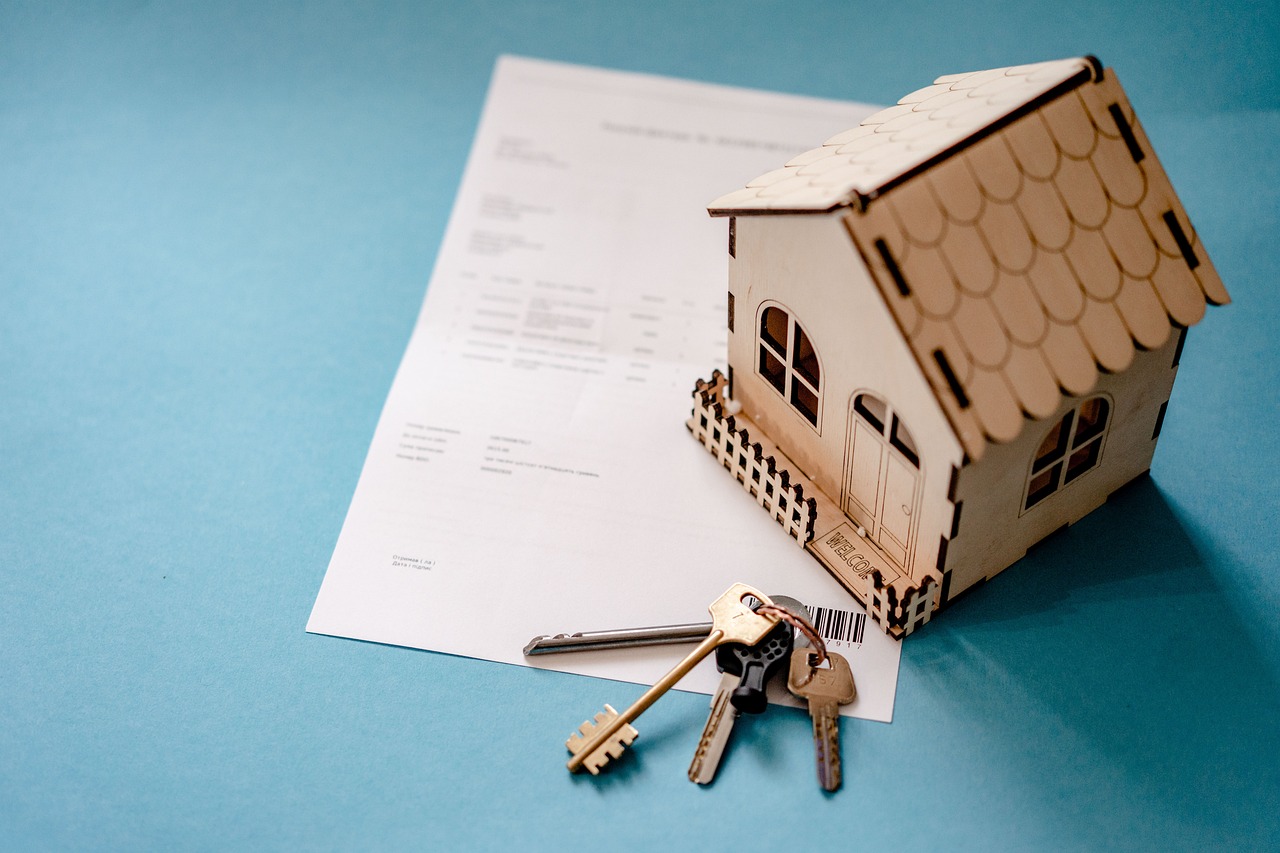
Real estate is a valuable asset class that can generate significant income for property owners. However, it's also important to remember that real estate ownership comes with its own set of tax implications. Property taxes are one of the biggest ongoing expenses associated with real estate ownership, and understanding how they work is essential for any property owner.
This comprehensive guide will provide you with everything you need to know about real estate taxation, including:
- What are property taxes?
- Different types of property taxes
- How property taxes are calculated
- The purpose of property taxes
- How real estate accounting can help you manage property taxes
By the end of this blog post, you'll have a firm grasp on real estate taxation and how it can impact your bottom line.
What Are Property Taxes?
Property taxes are a form of taxation levied by local governments on real property. They are a major source of revenue for cities, counties, and school districts, and they are used to fund a variety of public services, such as schools, roads, and police protection.
Property taxes are typically assessed annually based on the fair market value of the property. This means that the more valuable your property is, the higher your property taxes will be.
Different Types of Property Taxes
There are a variety of different types of property taxes, depending on the jurisdiction. Some of the most common types of property taxes include:
- Ad valorem taxes: These are the most common type of property tax, and they are based on the assessed value of the property.
- Mill rates: Mill rates are used to determine the amount of property tax owed. The mill rate is a tax rate expressed in mills (one mill equals one-tenth of one cent). For example, a mill rate of 100 mils would mean that you would owe $10 in property taxes for every $1,000 of assessed value.
- School taxes: School taxes are a specific type of property tax that is used to fund public schools.
- Special assessments: Special assessments are one-time charges that are levied to pay for specific improvements to a property or neighborhood, such as new sidewalks or streetlights.
How Real Estate Accounting Can Help You Manage Property Taxes
Property taxes can be a significant expense for property owners. Real estate accounting professionals can help you manage your property taxes in several ways, including:
- Tracking your property tax assessments
- Calculating your property tax liability
- Filing your property tax returns
- Contesting your property tax assessment (if you believe it is inaccurate)
By working with a real estate accountant, you can ensure that you are paying the correct amount of property taxes and that you are taking advantage of all available deductions and credits.
Real estate, a tangible asset, often serves as a cornerstone of wealth accumulation and financial security. However, owning property comes with its share of responsibilities, and understanding real estate taxation is paramount. Property taxes, a significant expense for property owners, can significantly impact investment returns and overall financial health. This comprehensive guide delves into the intricacies of real estate taxation, aiming to equip property owners with the knowledge to make informed decisions.
1: Understanding Property Taxes
Property taxes are levied by local governments on real estate. Unlike income taxes, which are based on earnings, property taxes are calculated based on the property's assessed value. This value is determined by a property assessor, who estimates the property's market worth for tax purposes. It's crucial to note that the assessed value might differ from the property's actual market value.
Several factors influence property tax rates, including the property's location, type (residential, commercial, industrial), and the local school district. High-value properties in prime locations with excellent schools often face higher tax rates.
2: Types of Property Taxes
Property taxes can be categorized into several types:
- Ad Valorem Taxes: The most common type, calculated based on the property's assessed value.
- Mill Rates: A method of expressing property tax rates. One mill equals $0.001 per dollar of assessed value.
- School Taxes: Dedicated to funding public education, these taxes are a portion of the overall property tax bill.
- Special Assessments: One-time charges levied for specific improvements (e.g., new sidewalks, streetlights) benefiting the property.
Understanding these distinctions is essential for accurately calculating property tax liabilities.
3: How Property Taxes are Calculated
The property tax calculation is relatively straightforward:
- Assessed Value: Determined by the property assessor.
- Mill Rate: The tax rate expressed in mills.
- Tax Base: The total assessed value of all taxable properties in the jurisdiction.
Property Tax = (Assessed Value / Tax Base) * Mill Rate
For instance, if a property's assessed value is $200,000, the mill rate is 20, and the tax base is $10 billion, the property tax would be $400 annually.
It's important to note that some jurisdictions impose tax caps or limitations to prevent excessive tax increases.
4: The Purpose of Property Taxes
Property taxes are a primary revenue source for local governments, funding essential services like:
- Education
- Public safety (police, fire departments)
- Infrastructure (roads, bridges)
- Libraries
- Parks and recreation
A portion of property tax revenue might also support other public services, such as sanitation and public transportation. In some cases, property taxes fund economic development initiatives through tax increment financing.
5: Property Taxes and Real Estate Investment
Property taxes significantly impact investment property returns. Investors must carefully consider property tax rates when evaluating potential investments. While property taxes are generally not deductible as business expenses, they might qualify for certain tax deductions or credits.
Different property types (residential, commercial, industrial) have varying property tax implications. For example, commercial properties might be subject to higher tax rates due to their potential for generating higher income.
6: Property Tax Challenges and Reforms
Property owners often face challenges related to property taxes, including overvaluations and inequitable assessments. Property tax appeals provide an opportunity to challenge assessments if property owners believe their property is overvalued.
Property tax reform is a complex issue with no easy solutions. Some common reform proposals include:
- Shifting the tax burden to other revenue sources
- Implementing more equitable assessment methods
- Providing property tax relief for specific groups (e.g., seniors, low-income homeowners)
Understanding these challenges and potential reforms is essential for staying informed about the property tax landscape.
7: Real Estate Accounting and Property Taxes
Accurate property tax records are crucial for effective financial management. Real estate accountants can assist property owners in:
- Tracking property tax assessments
- Calculating property tax liabilities
- Preparing property tax returns
- Identifying potential tax deductions and credits
- Property tax forecasting and budgeting
- Property tax compliance and reporting
By engaging the services of a real estate accountant, property owners can ensure that they are meeting their tax obligations while maximizing tax benefits.
Conclusion
Navigating the complexities of real estate taxation is essential for property owners and investors. Understanding the different types of property taxes, how they are calculated, and their impact on overall financial health is crucial. While property taxes can be a significant expense, proper planning and management can help mitigate their impact.
By staying informed about property tax laws, regulations, and potential reforms, property owners can protect their investments and make informed decisions. When faced with complex property tax issues, consulting with a real estate accounting professional can provide valuable guidance and support.
Want this handled for you?
Schedule a Call