Table of Contents
- What Is a Construction Draw Schedule?
- How the Draw Process Works from Request to Disbursement
- Tracking Project Milestones and Managing Cash Flow
- Documentation Standards for Construction Draw Requests
- Common Errors in Construction Draw Accounting
- Frequently Asked Questions
- Partner with REA for Accurate Construction Draw Accounting
Construction draw accounting gives real estate developers and lenders a structured framework for tracking loan disbursements against verified project costs, reducing financial risk at every phase of a build. Linking disbursements to verified progress protects both sides of a construction loan and is central to sound Real Estate Accounting for any development project.
By REA Team, Property Management Experts
What Is a Construction Draw Schedule?
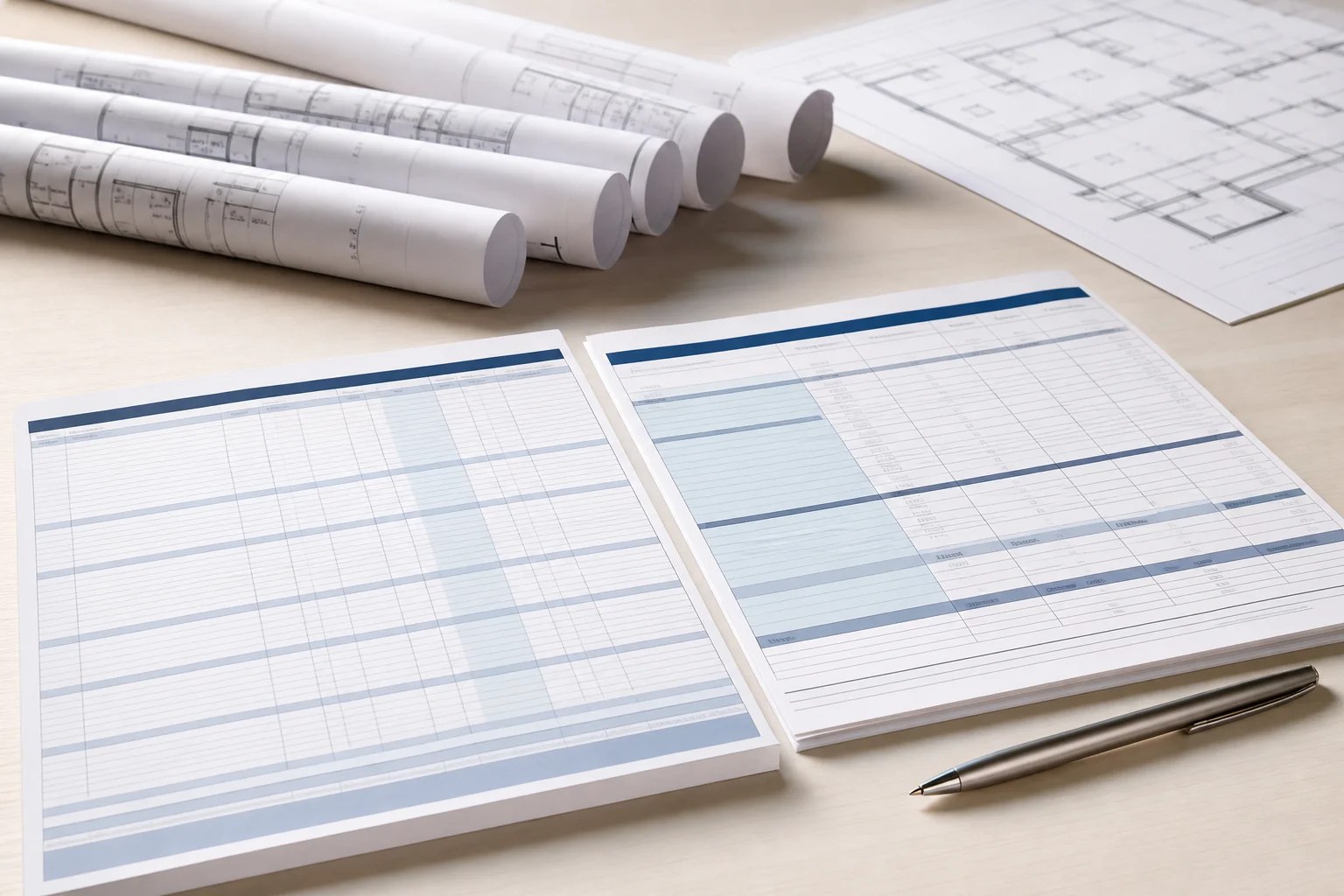
A construction draw schedule is a formal disbursement plan that maps loan fund releases to verifiable stages of a build. In real estate construction financing, lenders rarely release the full loan amount at closing. Instead, funds are disbursed in increments tied to confirmed project progress, with each draw corresponding to a specific construction phase.
Each line item in a draw schedule typically covers a defined scope: site preparation, foundation work, structural framing, mechanical and electrical rough-ins, insulation, drywall, and finish work. The schedule serves as the financial backbone of the project, aligning the lender's risk exposure with measurable physical milestones at each stage.
For developers managing multiple active builds, maintaining accurate draw schedules for each project is a core element of project management. When a draw schedule is misaligned with actual progress, even by a small margin, the ripple effect can delay subcontractor payments, strain lender relationships, and create budget discrepancies that compound through the final project closeout.
How the Draw Process Works from Request to Disbursement
The draw process begins when a contractor or borrower submits draw requests to the lender, documenting work completed since the last disbursement. Each submission specifies the amount owed under the approved construction draw schedule and must be accompanied by supporting documentation the lender requires before releasing funds.
A standard draw request package typically includes:
- A completed draw request form signed by the borrower and general contractor
- Lien waivers from subcontractors and suppliers for work covered by the draw
- Invoices and receipts for materials and labor
- An inspector's report or title company certification confirming work completion
- An updated schedule of values showing the percentage of completion per trade
Once the lender reviews the draw request and verifies all supporting documentation, funds are released to the borrower or into a controlled disbursement account. This verification step protects all parties: the lender confirms funds align with completed work, and the borrower maintains a clear paper trail for the construction draw accounting ledger. That ledger feeds directly into broader real estate project accounting, where draw-level detail rolls up into overall budget tracking and job costing for the development.
Tracking Project Milestones and Managing Cash Flow
Effective construction draw accounting depends on aligning disbursements with project milestones. Milestones typically include permit approval, foundation pour completion, structural framing sign-off, rough-in inspections, and certificate of occupancy. When accounting teams map each draw to a clearly defined milestone, discrepancies surface early rather than at project closeout, when corrections are far more expensive.
Cash flow forecasting becomes significantly more reliable when draw schedules are current and accurate. A development team that can project when the next draw will be approved, and for how much, can plan subcontractor payments, overhead costs, and contingency reserves without relying on rough estimates. The inverse is also true: teams that allow draw schedules to drift out of sync with actual progress often find themselves short on cash flow during critical phases of the build.
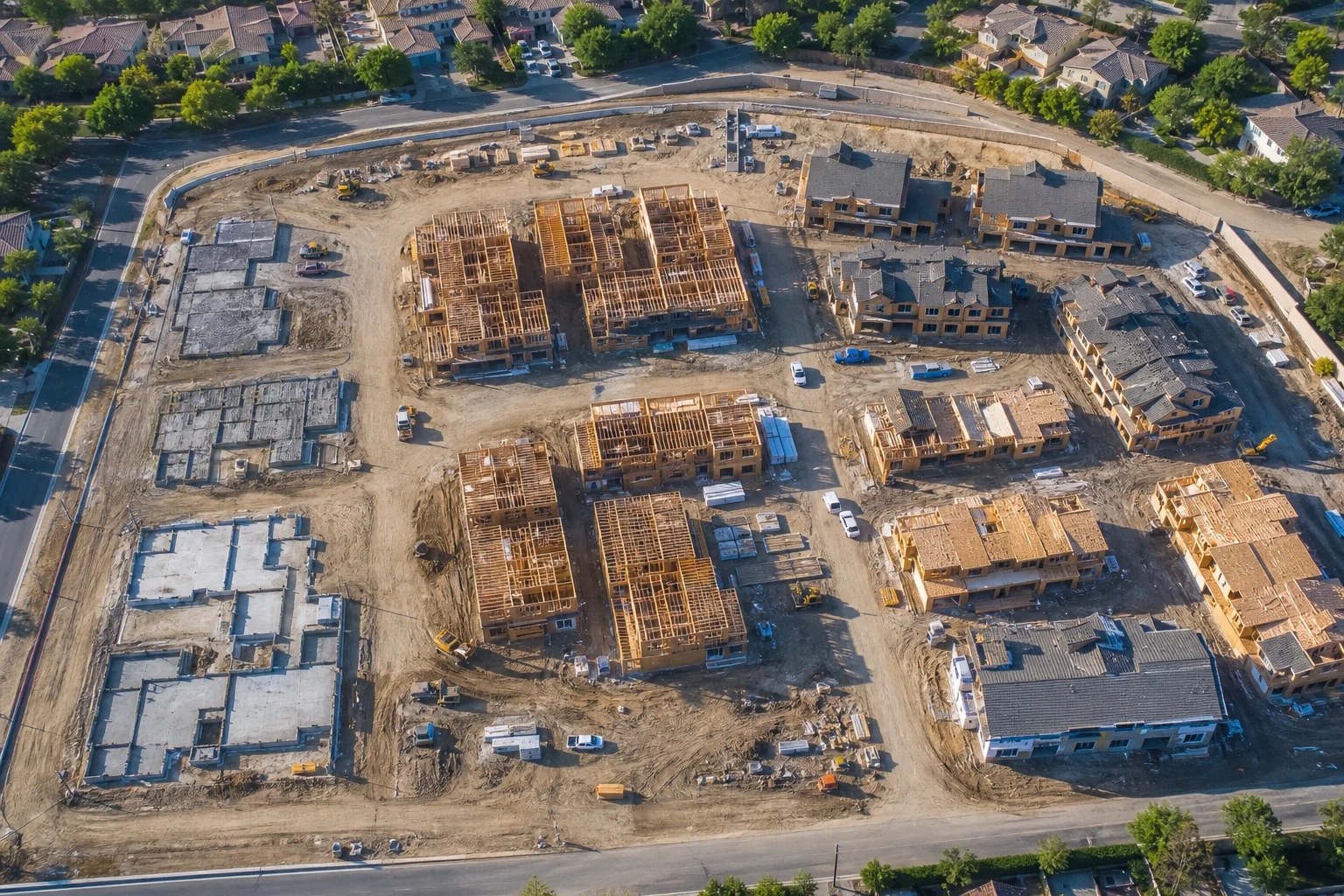
For firms managing multiple projects simultaneously, cash flow gaps between draw cycles are one of the most common causes of project delays. Guarding against those gaps generally comes down to a few foundational habits: centralized bookkeeping across every active build, a chart of accounts that separates hard costs from soft costs by project, and cash reserves sized to bridge the lag between requesting a draw and actually receiving funds. Firms that apply this structure consistently across all their projects, rather than tracking each build in isolation, tend to spot cash flow gaps earlier and have more room to negotiate with lenders when timing gets tight.
Documentation Standards for Construction Draw Requests
The paperwork behind each draw request is where construction draw accounting holds up or breaks down. Lenders require complete, accurate documentation before releasing funds, and gaps in that package delay disbursements by days or weeks, disrupting contractor payment cycles and overall project schedule.
Sworn statements and contractor affidavits: These confirm that subcontractors and material suppliers covered by the current draw have been paid from prior draw funds, reducing lien exposure for the lender and protecting the developer from double-payment claims.
Percentage of completion tracking: Each draw request should include an updated schedule of values showing the percentage complete for every line item in the project budget. This granular view allows lenders and accountants to cross-reference the requested amount against observable physical progress on site.
Retainage accounting: Most construction loans retain 5 to 10 percent of each draw until the project is substantially complete. Accurate retainage tracking ensures that final payments to contractors are made correctly and that the lender's holdback is applied consistently across all draw requests throughout the project.
For Commercial Real Estate developments, documentation requirements are often more detailed, involving environmental certifications, title endorsements, and third-party inspector sign-offs in addition to the standard draw package. Research from the Mortgage Bankers Association (2023) identifies incomplete lien waivers as the leading cause of draw delays on commercial construction loans.
Common Errors in Construction Draw Accounting
Even experienced development teams encounter accounting errors in the draw process. The most costly mistakes tend to cluster around three areas.
Overbilling on incomplete work: Drawing funds for work that has not reached the milestone required by the draw schedule creates reconciliation problems at project closeout and can trigger lender audits. Lenders who identify overbilling may freeze subsequent draws until a full reconciliation is completed.
Failing to track soft costs separately: Architecture fees, permitting costs, loan interest reserves, and legal costs are often grouped loosely with hard construction costs. Separating these categories in the accounting ledger gives a cleaner picture of actual build costs versus project overhead, which matters at tax time and during investor reporting.
Ignoring draw schedule amendments: Scope changes, material substitutions, and schedule delays almost always require a formal amendment to the original draw schedule. Proceeding without updating the schedule creates gaps between what the lender approved and what was actually constructed, complicating the final draw and title closeout.
For teams evaluating whether to manage construction draw accounting in-house or bring in outside support, a structured hiring decision framework can help weigh the trade-offs before committing to either path.
Frequently Asked Questions
What is a construction draw in real estate?
A construction draw is a scheduled disbursement of loan funds released to a borrower or contractor after verified progress on a build. Draws are tied to a construction draw schedule that maps fund releases to defined project milestones, ensuring money is disbursed only after work is confirmed complete by a lender-approved inspector.
How many draws are typical on a construction loan?
Most construction loans include four to seven draws, though larger commercial projects may require ten or more disbursement stages. The number and size of draws are negotiated at loan origination and documented in the construction draw schedule, which the lender, borrower, and general contractor all sign before the project begins.
What happens if a draw request is rejected?
A rejected draw request typically delays funding by one to three weeks while the borrower resolves the deficiency. Common causes include incomplete lien waivers, inspector findings that dispute reported completion percentages, or missing invoices for labor and materials. Submitting a complete documentation package before each submission reduces rejection risk significantly.
Who reviews draw requests on a construction loan?
The lender or its designated title company reviews each draw request and supporting documentation. For larger commercial projects, an independent construction inspector or quantity surveyor also inspects the site before funds are released, confirming that completion percentages claimed in the draw request reflect actual on-site progress.
How does retainage affect the final draw?
Retainage held back across all prior draws accumulates and is released in the final draw, typically after a certificate of occupancy is issued and all lien waivers are collected. Because retainage is withheld from every prior disbursement, the final draw is often the largest in the draw schedule and requires the most complete and fully executed documentation package.
Partner with REA for Accurate Construction Draw Accounting
Managing draw schedules, verifying documentation, and reconciling disbursements across active construction projects requires both real estate expertise and accounting precision. If your development team needs structured support from the first disbursement through project closeout, Lets Connect and let REA show you how we handle construction draw accounting for builders, developers, and lenders.
Want this handled for you?
Schedule a Call