Table of Contents
- March Madness for Real Estate Investors: Pre-Tax Deadline Bookkeeping Rush Services
- What Are the Critical Tax Deadlines for Real Estate Investors During March Madness?
- Which Pre-Tax Filing Dates Must Property Investors Meet?
- How Do Tax Deadlines Impact Bookkeeping Urgency for Landlords?
- How Can Real Estate Investors Implement Urgent Bookkeeping Strategies Before Tax Deadlines?
- What Are Best Practices for Rush Bookkeeping in Property Investment?
- Which Financial Records Are Essential for Pre-Tax Deadline Compliance?
- Which Software Solutions Streamline Pre-Tax Deadline Bookkeeping for Real Estate Investors?
- How Do AppFolio, Yardi, Buildium, and Entrata Support Automated Accounting?
- What Features Facilitate Tax Preparation and Compliance in Property Management Software?
- What Tax Deductions and Compliance Tips Should Real Estate Investors Know for March Tax Filing?
- Which Expenses Are Deductible for Property Investors During Tax Season?
- How Can Investors Ensure Accurate Financial Record Keeping for Tax Compliance?
- What Case Studies Demonstrate Successful Rush Bookkeeping Services for Real Estate Investors?
- How Have Investors Benefited from Pre-Tax Deadline Bookkeeping Rush Services?
- What Lessons Can Be Learned from Real Estate Tax Preparation Success Stories?
- How Can Real Estate Investors Access Professional Tax Filing Assistance and Support?
- Where to Find Urgent Bookkeeping Services for Property Investors?
- What Resources and Tools Facilitate Efficient Pre-Tax Deadline Accounting?

March Madness for Real Estate Investors: Pre-Tax Deadline Bookkeeping Rush Services
As the tax deadline nears, real estate investors encounter a concentrated period of bookkeeping activity often described as "March Madness." During this interval, accurate financial records and timely tax filings are imperative. This article outlines critical tax deadlines, practical bookkeeping strategies, and software solutions that streamline property accounting. It also addresses the role of professional support and presents case studies demonstrating the advantages of timely bookkeeping. Readers will obtain actionable guidance to manage the pre-tax deadline workload effectively.
What Are the Critical Tax Deadlines for Real Estate Investors During March Madness?
Real estate investors must monitor several tax deadlines that materially affect their financial position. Failure to meet these deadlines can result in penalties and missed deduction opportunities.
Which Pre-Tax Filing Dates Must Property Investors Meet?

Property investors should prioritize the following key dates:
- Federal Income Tax Filing Deadline: April 15, 2024
- 1st Quarter Estimated Tax Payment Deadline: April 15, 2024
Meeting these deadlines ensures required tax documents are submitted on time and helps avoid penalties and interest on late payments.
How Do Tax Deadlines Impact Bookkeeping Urgency for Landlords?
Bookkeeping urgency intensifies as filing dates approach. Timely financial reporting preserves accurate records and directly affects tax liability. Delays produce outdated records and complicate tax preparation; landlords must therefore recognize these deadlines to ensure compliance and optimize tax outcomes.
How Can Real Estate Investors Implement Urgent Bookkeeping Strategies Before Tax Deadlines?
To manage the pre-tax rush, investors should adopt targeted bookkeeping measures that improve efficiency and accuracy.
A sound understanding of property accounting principles is necessary to support financial performance and regulatory compliance.
What Are Best Practices for Rush Bookkeeping in Property Investment?
Best practices for rush bookkeeping include:
- Set Up a Dedicated Bank Account: This helps in tracking income and expenses specific to property investments.
- Create a Comprehensive Chart of Accounts: Organizing financial records into categories simplifies tracking and reporting.
- Regularly Reconcile Accounts: Frequent reconciliation ensures that records are accurate and up-to-date.
These measures reduce the operational burden associated with last-minute bookkeeping.
Which Financial Records Are Essential for Pre-Tax Deadline Compliance?
Maintaining core financial records is essential for compliance. Key documents include:
- Tax Records: These should encompass all income and expenses related to property investments.
- Lease Agreements: Keeping copies of all lease agreements helps in substantiating rental income.
- Receipts for Deductible Expenses: Documenting expenses such as repairs, maintenance, and property management fees is vital for maximizing deductions.
Organizing these records ensures investors are prepared for tax submissions.
Which Software Solutions Streamline Pre-Tax Deadline Bookkeeping for Real Estate Investors?
Appropriate software substantially improves bookkeeping efficiency for real estate investors. Solutions offer features tailored to property management requirements.
How Do AppFolio, Yardi, Buildium, and Entrata Support Automated Accounting?
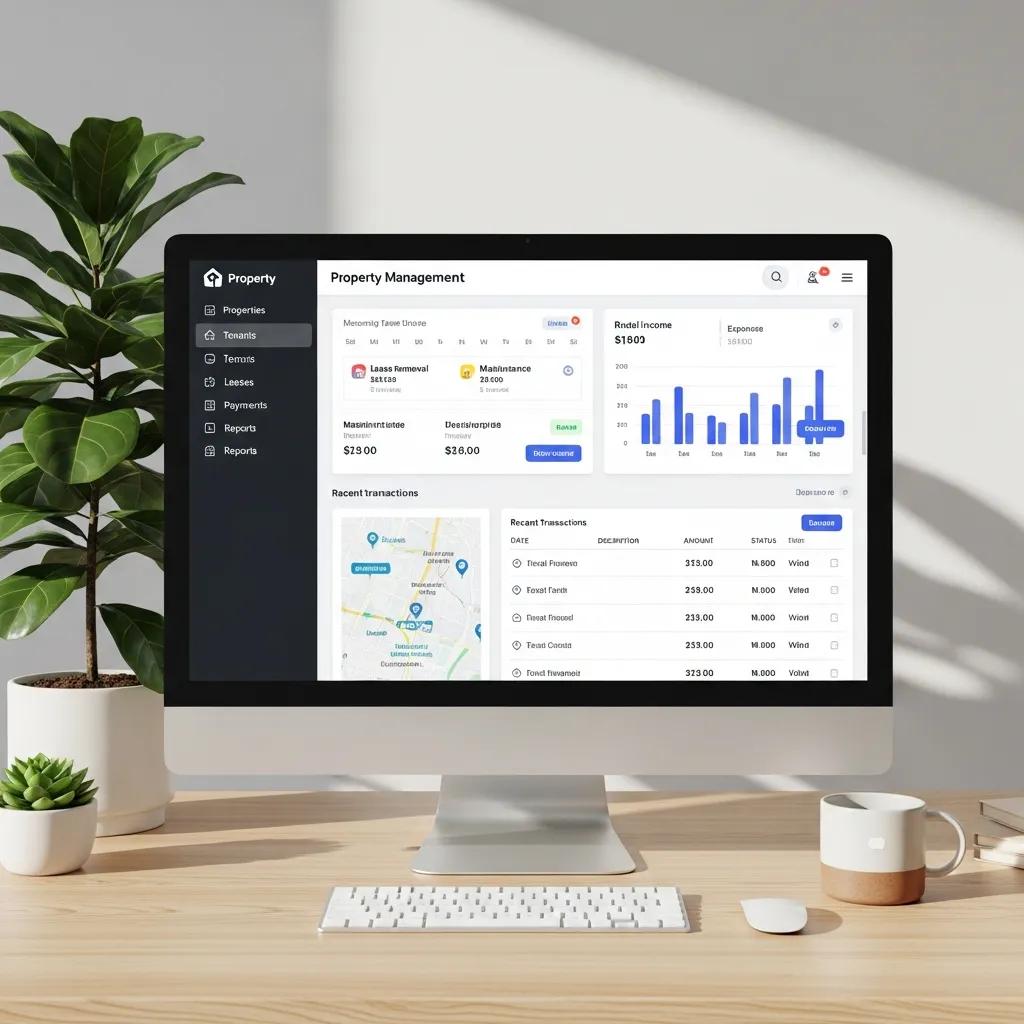
The following solutions offer automated accounting capabilities that simplify financial management:
- AppFolio: Offers automated transaction categorization and financial reporting capabilities.
- Yardi: Provides comprehensive property management tools that integrate accounting functions.
- Buildium: Facilitates online rent collection and expense tracking.
- Entrata: Supports automated financial reporting and tenant communication.
Such capabilities assist investors in maintaining accurate records and streamlining bookkeeping workflows.
What Features Facilitate Tax Preparation and Compliance in Property Management Software?
Key features that support tax preparation and compliance include:
- Automated Rent Collection: Ensures timely payments and accurate income tracking.
- Comprehensive Expense Tracking: Helps in documenting all deductible expenses efficiently.
- Tax Reporting Tools: Simplifies the generation of necessary tax documents.
These functionalities support regulatory compliance and the maximization of allowable tax benefits.
What Tax Deductions and Compliance Tips Should Real Estate Investors Know for March Tax Filing?
Awareness of allowable tax deductions is essential to minimize tax liabilities for real estate investors. Several common deductions warrant attention.
Which Expenses Are Deductible for Property Investors During Tax Season?
Deductible expenses commonly include:
- Mortgage Interest: Interest paid on loans for property purchases is deductible.
- Property Taxes: Taxes paid on real estate are also deductible.
- Repairs and Maintenance: Costs incurred for maintaining properties can be deducted.
Accurate tracking of these deductions can materially reduce taxable income; precise record keeping is therefore necessary.
How Can Investors Ensure Accurate Financial Record Keeping for Tax Compliance?
- Regularly Reconcile Accounts: This helps identify discrepancies early.
- Utilize Accounting Software: Software can automate many aspects of record keeping.
- Maintain Detailed Receipts: Keeping thorough documentation supports claims for deductions.
Adoption of these practices enhances compliance and reduces the risk of audits.
What Case Studies Demonstrate Successful Rush Bookkeeping Services for Real Estate Investors?
Case studies illustrate the practical benefits of timely bookkeeping services for real estate investors.
How Have Investors Benefited from Pre-Tax Deadline Bookkeeping Rush Services?
Clients that engage rush bookkeeping services commonly realize:
- Improved Accuracy: Professional services help ensure that all financial records are accurate and compliant.
- Time Efficiency: Outsourcing bookkeeping allows investors to focus on their core business activities.
- Access to Expertise: Professional bookkeepers bring specialized knowledge that can enhance financial management.
These outcomes demonstrate the role of timely bookkeeping in achieving sound financial management.
What Lessons Can Be Learned from Real Estate Tax Preparation Success Stories?
Success stories identify several lessons:
- Maximizing Tax Savings: Investors who engage in proactive bookkeeping often uncover additional deductions.
- Importance of Expert Guidance: Working with professionals can lead to better financial outcomes.
- Timely Action is Crucial: Early preparation for tax season reduces stress and enhances compliance.
These lessons emphasize the value of disciplined bookkeeping strategies.
How Can Real Estate Investors Access Professional Tax Filing Assistance and Support?
Professional tax filing assistance materially reduces the administrative burden of tax preparation for real estate investors.
Where to Find Urgent Bookkeeping Services for Property Investors?
Urgent bookkeeping services are available via:
- Local Accounting Firms: Many firms specialize in real estate and offer tailored services.
- Online Platforms: Various online services provide bookkeeping solutions specifically for property investors.
- Referrals from Peers: Networking with other investors can lead to recommendations for reliable services.
These channels enable investors to source timely support during peak tax periods.
What Resources and Tools Facilitate Efficient Pre-Tax Deadline Accounting?
The following resources and tools can improve accounting efficiency:
- Cloud-Based Accounting Software: Allows for real-time access to financial data.
- Financial Management Apps: Help track expenses and income on-the-go.
- Consultation Services: Professional advice can guide investors in optimizing their tax strategies.
Use of these tools streamlines accounting processes and assists compliance with tax regulations.
To further streamline your property management tasks, evaluate software solutions tailored to real estate investors.
For comprehensive solutions, AppFolio provides automated transaction categorization and financial reporting capabilities.
Alternatively, Yardi provides integrated property management and accounting functionality.
Additional resources and support are available on the REA website.
Want this handled for you?
Schedule a Call