Table of Contents
- Build Your Year-End Timeline Before December Arrives
- Reconcile Every Account Before the Books Close
- Organize Lease and Tenant Records for Audit Readiness
- Tax Preparation and Compliance Before the New Year
- 1099 Preparation
- Owner Statements and Distributions
- Depreciation and Capital Improvements
- Review Maintenance and Operations Before Year-End
- Frequently Asked Questions
- Finish Your Year-End Close With Accuracy and Confidence
Property managers can prepare for year-end close in 2026 by starting account reconciliation in October, standardizing lease and tenant records, and working through a structured checklist that covers accounting, compliance, and tax readiness. Teams that build this routine into their Property Management workflow close faster and carry fewer errors into the new year.
By REA Team, Property Management Experts
Build Your Year-End Timeline Before December Arrives
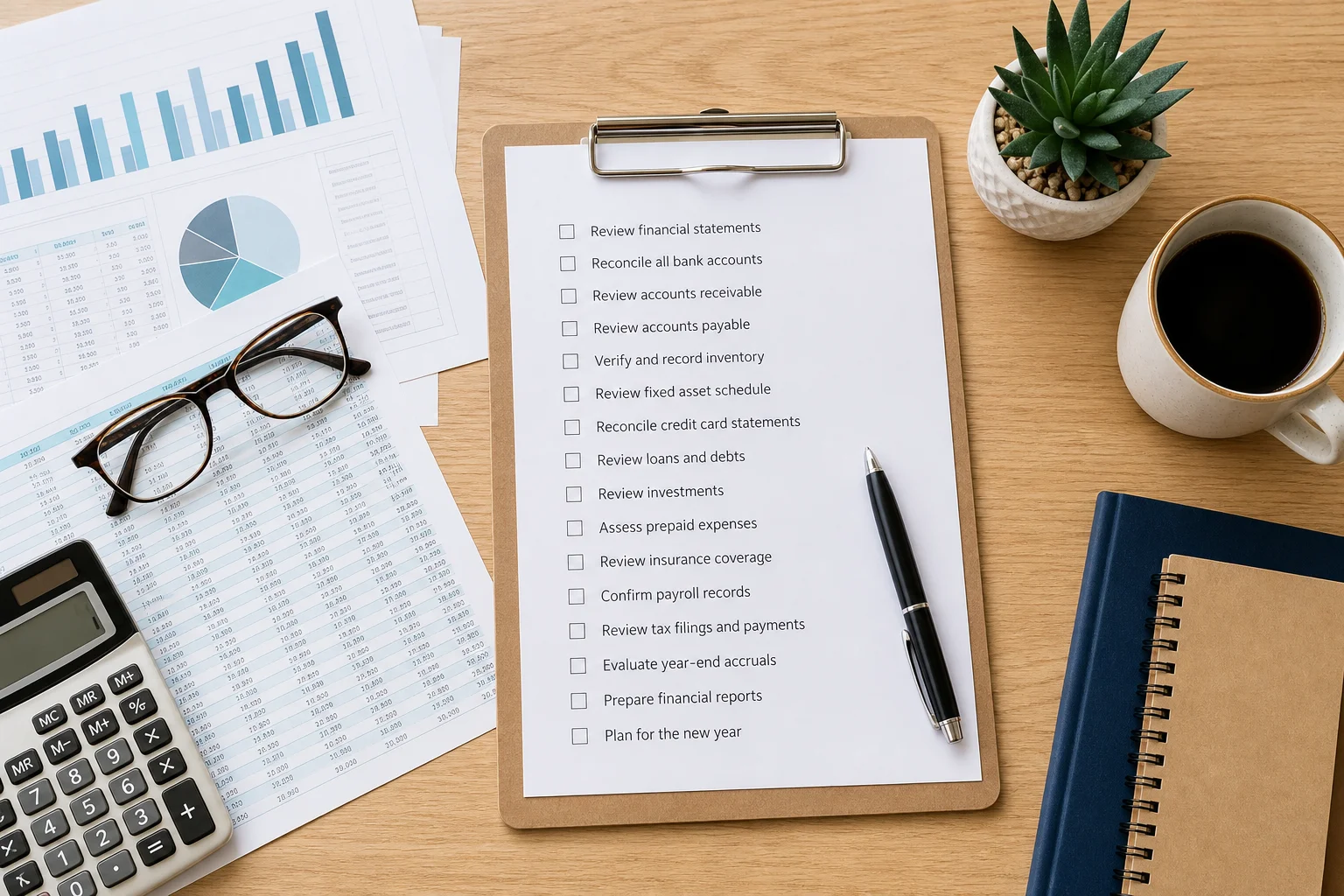
Understanding how property managers can prepare for year-end close in 2026 comes down to one core insight: the workload is too large to compress into four weeks. Treating close as a rolling process rather than a December sprint is the most reliable way to ensure accuracy and reduce team stress.
A practical phased timeline:
- October: Audit rent rolls, flag delinquent accounts, and begin reconciling security deposit trust accounts.
- November: Review lease expirations, generate preliminary owner statements, and gather vendor W-9s for 1099 preparation.
- December: Final account reconciliation, 1099 filing, and formal close of books.
When managers break the close into phases, errors surface earlier and corrections cost far less time. Building that habit starts well before year-end, with a consistent monthly close checklist that keeps records audit-ready all year.
Reconcile Every Account Before the Books Close
Account reconciliation is the most time-intensive part of year-end close for any property manager. Every bank account, security deposit trust account, and reserve fund must tie back to your general ledger before you can issue accurate owner statements or file taxes.
Key reconciliation steps:
- Bank statement matching: Compare every transaction in your property management software against the bank statement for the current period. Unreconciled items from mid-year are harder to trace as December approaches.
- Security deposit trust accounts: Confirm balances match the liability recorded on your books. Discrepancies carry regulatory risk in most states.
- Prepaid rent and unearned income: Identify rent payments received in 2026 for the 2027 lease period and categorize them correctly.
- Vendor payables: Ensure all maintenance invoices received in 2026 are recorded, even if payment clears in January 2027.
Teams using platforms like AppFolio or Yardi can generate automated reconciliation reports, but the review work still requires human verification. Reconciliation features vary by platform, some support automated bank feed matching and trust account alerts, while others require exporting data for manual comparison, so build extra review time into your schedule if your system falls into the latter category.
Organize Lease and Tenant Records for Audit Readiness
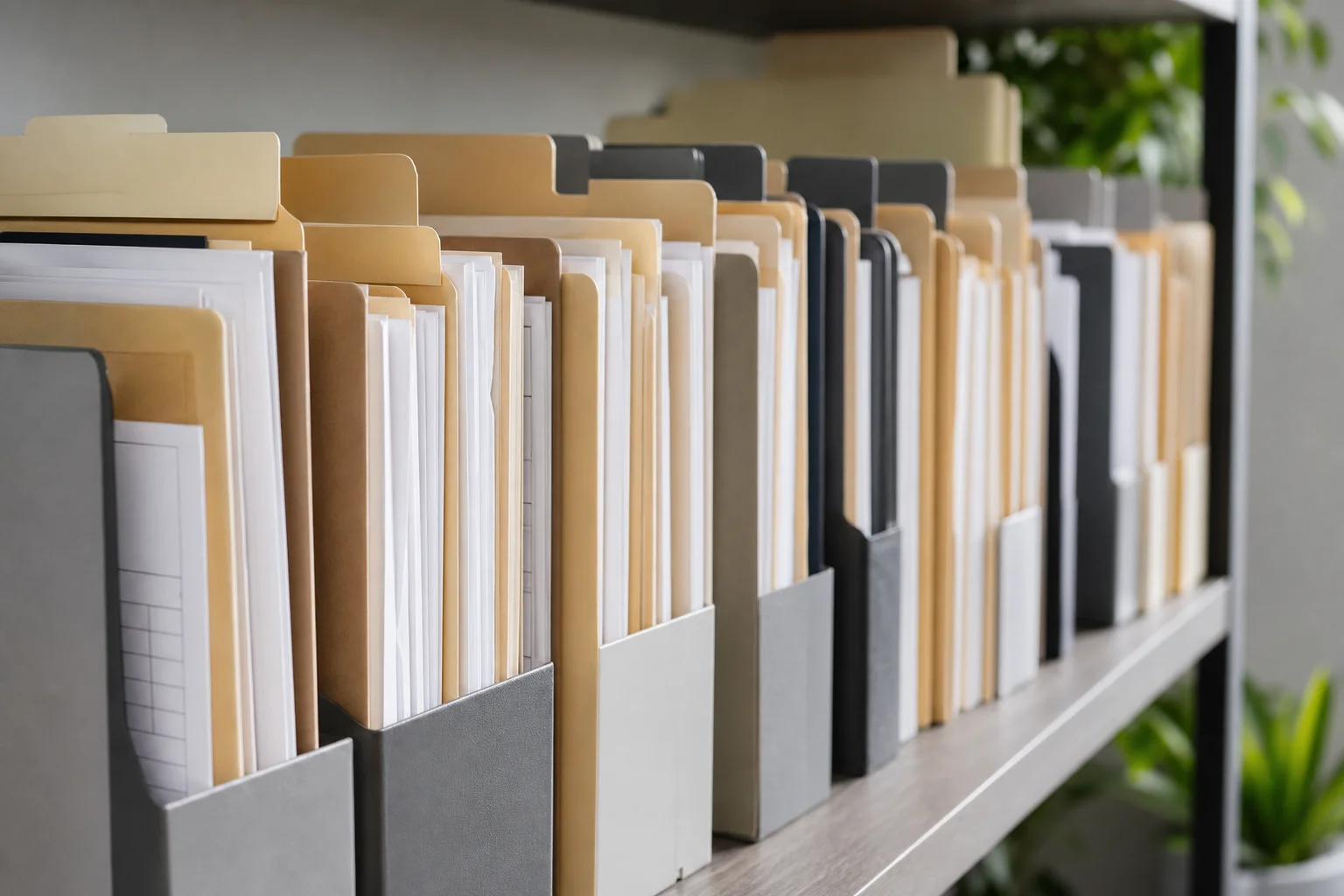
Strong records are the foundation of a defensible year-end close. Every lease, amendment, and addendum executed in 2026 should be accessible, consistently named, and confirmed against your management system.
Checklist for lease and tenant records:
- Confirm every active lease has a current executed copy on file.
- Verify lease start and end dates match what is recorded in your leasing software.
- Flag month-to-month tenants and confirm current rent rates are documented.
- Review mid-year rent increases for proper notice documentation.
- Confirm security deposit amounts match both the lease agreement and the trust account balance.
Lease Abstraction Services can streamline this step for portfolios with complex commercial terms, extracting and standardizing critical data so your team does not need to re-read every document at close.
For rental portfolios with varied lease structures, maintaining a master lease index outside of any single system reduces risk during audit periods. Aligning your chart of accounts to lease data, rather than treating the two as separate systems, keeps year-end reporting cleaner: each property's income and expense categories should map directly to the lease terms driving them, so reviewers can trace a number back to its source without cross-referencing two systems.
Tax Preparation and Compliance Before the New Year
Year-end close in property management accounting is inseparable from tax preparation. Property managers working across residential and commercial portfolios must address several obligations before January.
1099 Preparation
Any vendor paid $600 or more during 2026 for services requires a Form 1099-NEC. In property management, this applies to maintenance contractors, landscapers, cleaning crews, and repair vendors. Collect W-9 forms throughout the year to avoid chasing vendor information during close. Attorneys require 1099s regardless of entity type.
Owner Statements and Distributions
Year-end owner statements must reflect all income, expenses, and distributions accurately. Real estate owners use these documents for their personal or entity tax returns. Errors create disputes and may trigger audit risk.
Depreciation and Capital Improvements
Capital improvements made in 2026 must be classified rather than expensed. Roof replacements, HVAC systems, and major renovations typically require depreciation schedules under current IRS guidance. Your accounting team should review these classifications before close to ensure compliance. Commercial property managers face an additional obligation: CAM reconciliation, where operating expenses are allocated back to tenants based on lease terms, producing billing adjustments that must be resolved before the new year.
Review Maintenance and Operations Before Year-End
Year-end is the right time to reconcile maintenance spending against budget and document deferred items for owner review. Deferred maintenance carries into 2027 as either reserve draws or negotiation points with rental property owners.
Steps to complete:
- Compare total maintenance spend per property against the annual budget.
- Flag work orders opened in 2026 that remain incomplete.
- Confirm all completed work orders have corresponding vendor invoices on file.
- Review reserve fund balances and flag properties where reserves fall below recommended thresholds.
Operations review also includes evaluating your team's systems performance across the year. If your property management company was consistently stretched at year-end close, that is a signal worth addressing before the next cycle. Teams regularly overwhelmed at close are strong candidates for outsourced accounting support, which can absorb the reconciliation and reporting workload before it becomes a recurring year-end scramble.
Frequently Asked Questions
How can property managers prepare for year-end close in 2026?
Property managers can prepare for year-end close in 2026 by starting in October. A phased approach covers account reconciliation in October, tax document prep and 1099 collection in November, and final books close in December. Strong lease records, complete vendor W-9s, and accurate trust account reconciliation are the core requirements for a clean close.
What accounts must be reconciled at year-end for a property management company?
At minimum, property managers should reconcile operating bank accounts, security deposit trust accounts, reserve funds, accounts payable, and rent receivable balances. Each must tie back to the general ledger before owner statements can be issued or tax documents prepared. Software platforms generate reconciliation reports, but manual review remains necessary to catch data entry errors and unrecorded liabilities.
Which vendors require a Form 1099 in property management?
Any individual or unincorporated business paid $600 or more in service fees during 2026 requires a Form 1099-NEC. This includes maintenance contractors, landscapers, cleaning crews, and repair vendors. Corporations are generally exempt, but attorneys require 1099s regardless of entity type. Collecting W-9 forms before paying each vendor prevents last-minute data gathering during close.
How does year-end close differ for commercial versus residential property management?
Commercial property managers face CAM reconciliation: operating expenses are allocated back to tenants based on lease terms, producing billing adjustments that must be resolved before year-end. Residential close focuses on owner statements, security deposit audits, and 1099 preparation. Both require full account reconciliation, but commercial timelines are often contractually defined within the lease agreement itself.
Can property management software handle year-end close automatically?
Software platforms automate portions of year-end close, including rent roll generation, reconciliation summaries, and owner statement production. However, no current system eliminates the need for manual review. Data entry errors, miscategorized expenses, and unrecorded liabilities require human verification before books can be finalized. Output quality depends entirely on data accuracy throughout the year.
Finish Your Year-End Close With Accuracy and Confidence
Property management teams that treat year-end close as a year-round discipline consistently close faster and carry fewer adjustments into the new year. If your real estate operations need expert support to build a reliable close process, Lets Connect to discuss how REA can help your team finish 2026 strong.
Want this handled for you?
Schedule a Call