Table of Contents
- What Lease Administration Covers
- Lease Abstraction vs. Lease Administration: Key Differences at a Glance
- When Each Function Is Most Critical in the Deal Cycle
- During Acquisitions and Due Diligence
- During Stabilized Operations
- At Lease Renewal or Re-Negotiation
- During Portfolio Migration or System Transitions
- How Abstraction and Administration Work Together
- Frequently Asked Questions
- Put Your Lease Data to Work Across the Full Portfolio Lifecycle
Lease abstraction vs. lease administration describes two distinct processes in commercial real estate: abstraction extracts and summarizes critical data from raw lease documents, while administration manages ongoing obligations, compliance, and reporting throughout the lease term. For Property Management firms and investors overseeing complex portfolios, confusing the two leads to missed escalation clauses and costly audit exposure.
By REA Team, Property Management Experts
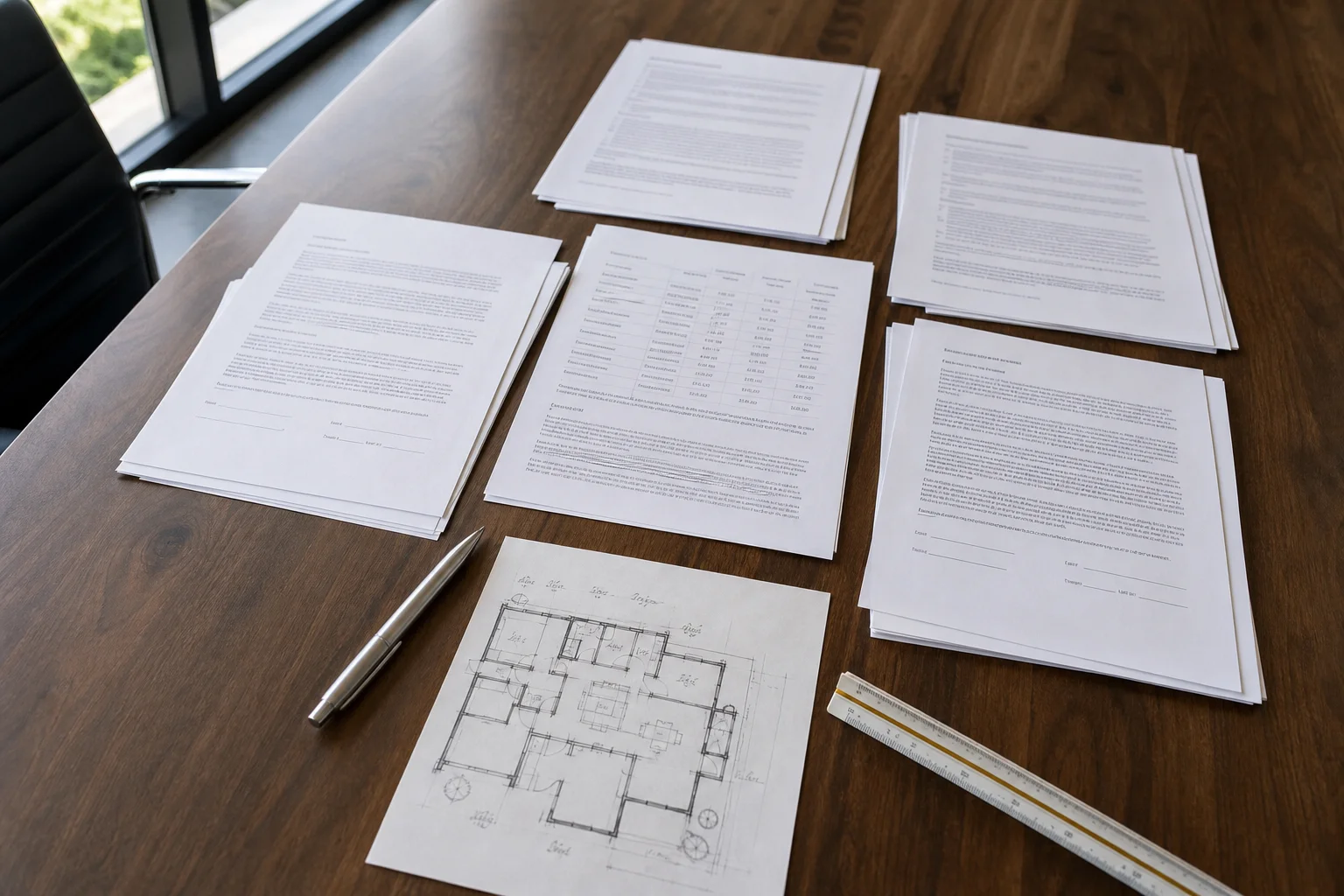
Lease abstraction is a structured data extraction process. A trained abstractor reads a full lease agreement, sometimes spanning hundreds of pages with amendments and exhibits, and distills it into a concise summary covering every term that drives financial and operational decisions.
A standard lease abstract captures:
- Commencement and expiration dates with notice periods for renewal, termination, or extension options
- Base rent schedule including fixed escalations, CPI adjustments, and any free-rent periods
- Expense recovery provisions covering gross, triple net, modified gross, or CAM structures
- Permitted use clauses and restrictions that affect future tenant mix
- Security deposit terms and conditions for return
- Assignment and subletting rights that affect exit flexibility
- Key co-tenancy or exclusivity clauses common in retail leases
The output is a structured document, often loaded into a property management platform, that gives ownership and accounting teams instant visibility into obligations without re-reading the original document each time a question arises.
The adoption of ASC 842 (FASB, 2016, effective for most public entities 2019 and private entities 2022) accelerated demand for professional lease abstraction, because the standard requires companies to recognize right-of-use assets and lease liabilities on the balance sheet. Accurate lease data became a financial reporting requirement, not merely an operational convenience.
Abstraction is most urgent at acquisition, when a buyer must review dozens of existing leases quickly during due diligence. It also becomes necessary when a portfolio migrates to new software and existing lease data must be verified or rebuilt from source documents. Our Lease Abstraction Services team performs this work across residential, commercial, and mixed-use portfolios of all sizes.
What Lease Administration Covers
Lease administration is an ongoing operational function. It manages what happens after a lease is signed: tracking critical dates, processing rent escalations, reconciling operating expense charges, coordinating tenant communications, and generating periodic financial reports.
Core lease administration activities include:
- Critical date monitoring for option exercise windows, rent review dates, and lease expirations
- CAM reconciliation comparing estimated charges to actual operating expenses each year
- Rent escalation processing applying CPI or fixed-step increases on schedule
- Tenant billing and collections oversight
- Estoppel certificate and SNDA coordination when lenders or buyers require confirmation of lease status
- Lease modification tracking for amendments, extensions, and rent deferrals
Lease administration is measured in months and years, not hours. An understaffed or disorganized administration function allows critical dates to lapse, which can extinguish renewal options worth significant value or trigger holdover rent clauses that create disputes.
For commercial portfolios with multiple tenants and staggered lease terms, a disciplined administration workflow is not optional. The financial exposure from a missed co-tenancy trigger or a miscalculated CAM reconciliation frequently exceeds the annual cost of professional administration.
Lease Abstraction vs. Lease Administration: Key Differences at a Glance
Understanding where these two functions diverge helps operators allocate resources correctly.
Both functions depend on accurate source data. Abstraction failures feed directly into administration errors: if base rent is coded incorrectly at extraction, every escalation calculation downstream compounds that error. Portfolio operators who treat abstraction as a one-time task and never audit underlying records tend to accumulate compounding errors across multi-year hold periods. Those errors do not stay contained to the property level either, since investors rely on the same lease data for distribution calculations and portfolio-level reporting, so a mistake in one abstract can eventually distort what an owner reports to its capital partners.

When Each Function Is Most Critical in the Deal Cycle
During Acquisitions and Due Diligence
Abstraction is the dominant need during a transaction. Buyers need structured lease data quickly to underwrite risk, model cash flows, and identify any provisions that affect property value. Attempting to model acquisition economics from raw lease documents without abstracted summaries increases error rates and slows the process considerably.
During Stabilized Operations
Administration dominates during the hold period. Once a portfolio is stabilized, the abstraction work is largely complete and focus shifts to keeping obligations current, issuing accurate tenant bills, and maintaining audit-ready records. Portfolios with layered financial structures need accounting infrastructure built for that complexity, which is where our project accounting framework comes in.
At Lease Renewal or Re-Negotiation
Both functions are active at renewal. Administration flags the approaching expiration and option window. A new abstract is then created for the amended or renewed lease to keep the data record current and aligned with actual agreed terms.
During Portfolio Migration or System Transitions
Abstraction is critical again when portfolios move between platforms. All existing lease data must be verified against source documents before import into the new system. Data migrated without verification introduces systematic errors that persist for years. Multi-tenant buildings that mix residential and commercial space add another layer to this, since residential and commercial leases carry different abstraction data points and expense recovery structures, and a migration that treats them identically will misclassify obligations on one side or the other.
How Abstraction and Administration Work Together
REA operates both functions as an integrated service rather than isolated offerings. When a client onboards a new portfolio, our team abstracts all active leases, loads the structured data into the client's existing platform, and then maintains ongoing administration against that verified data set.
This integration eliminates the gap that occurs when separate vendors handle each function independently. A third-party abstractor delivers a data file; an in-house administrator loads it without verification; discrepancies accumulate silently over the lease term. By owning both through a single accountable team, REA creates an unbroken data chain from source document to financial report.
The distinction between lease abstraction vs. lease administration also matters when selecting vendors, since a firm that excels at one does not automatically excel at the other. Before engaging a firm for either function, ownership teams should hold providers to a consistent standard, which our vendor evaluation checklist is built around.
Frequently Asked Questions
Can I outsource lease abstraction without outsourcing lease administration?
Yes. Many clients engage REA for a one-time abstraction project during an acquisition or platform migration without transitioning to ongoing administration. The abstracted data is delivered in a format compatible with their existing system. Clients who later add administration services benefit from the fact that our team already understands the source documents and data structure from the initial abstraction engagement.
How long does lease abstraction take per lease?
Timeline depends on lease complexity. A straightforward residential lease abstract typically takes one to two hours. A complex retail or office lease with multiple amendments, side letters, and exhibits can require four to eight hours of detailed review. Bulk portfolio abstractions are scoped on a per-document basis after a representative sample has been evaluated by our team.
What happens if abstracted data contains errors?
Errors in abstracted data propagate into every downstream calculation, including rent escalations, CAM estimates, and financial statements. REA uses a two-pass review on all abstracts, with an independent second reviewer before any data loads into a client system. Clients inheriting another vendor's abstracted data should request a sample audit before relying on those records.
Is lease administration the same as property management accounting?
They overlap but are not identical. Lease administration focuses specifically on lease-level compliance, date tracking, tenant billing, and CAM reconciliation. Property management accounting is broader, covering general ledger management, bank reconciliations, owner distributions, and full financial statement preparation. REA handles both functions as part of a comprehensive outsourced accounting engagement.
Do residential portfolios need lease abstraction services?
Residential leases are shorter and more standardized than commercial leases, so abstraction is less intensive. Operators managing more than 50 units benefit from structured abstract records for tracking move-in and move-out windows, security deposit terms, and renewal notice requirements. The investment is modest relative to the risk of missing a critical notice period and incurring holdover penalties.
Put Your Lease Data to Work Across the Full Portfolio Lifecycle
Lease data quality determines the accuracy of every escalation notice, CAM reconciliation, and financial report your portfolio produces. REA builds and maintains that data foundation for property managers, investors, and developers, from initial abstraction through ongoing administration. To see how our team can support your portfolio, Lets Connect.
Want this handled for you?
Schedule a Call