Table of Contents
- Comprehensive Guide to Property Management Accounting Systems, Software, and Best Practices for Landlords and Property Managers
- What Are the Essential Features of Landlord Accounting Software?
- How Do Automated Rent Payment Systems Improve Financial Efficiency?
- Which Accounting Functions Should Property Management Software Support?
- How to Implement Best Practices in Property Management Bookkeeping?
- What Are Effective Expense Tracking Techniques for Rental Properties?
- How to Ensure Accurate Financial Reporting for Property Managers?
- Which Property Management Accounting Software Solutions Are Leading the Market?
- What Are the Key Features of AppFolio, Yardi, Buildium, and Entrata?
- How Do Pricing Tiers and Integration Capabilities Compare Among These Platforms?
- How Does Rental Property Tax Software Facilitate Compliance and Reporting?
- What Are the Latest Tax Compliance Requirements for Landlords?
- How Can Software Automate Tax Filing and Reporting Processes?
- What Are the Benefits and Challenges of Automating Property Management Accounting?
- How Does Cloud-Based Accounting Enhance Property Financial Management?
- What Are Common Implementation Challenges and How to Overcome Them?
- Where Can Landlords and Property Managers Find Support and Resources for Accounting Software?
- What FAQs and Troubleshooting Guides Are Available for Property Accounting Systems?
- How Do User Testimonials and Case Studies Demonstrate Software Effectiveness?
Comprehensive Guide to Property Management Accounting Systems, Software, and Best Practices for Landlords and Property Managers
Property management accounting is essential to effective rental property oversight. It comprises systems and software that streamline financial operations and enable landlords and property managers to maintain accurate records, monitor expenses, and manage income. This guide examines the essential features of landlord accounting software, the advantages of automation, and bookkeeping best practices. A clear understanding of these elements allows property managers to improve financial controls and maintain regulatory compliance.
This article examines core features of landlord accounting software, the effects of automated rent-payment systems, and the principal accounting functions property management software should support. It also addresses bookkeeping best practices, expense-tracking techniques, and methods to ensure precise financial reporting. Finally, it reviews leading property management accounting solutions and their principal features to inform software selection.
What Are the Essential Features of Landlord Accounting Software?
Landlord accounting software centralises financial management for property owners and managers. Essential features include:
- Lease Compliance Software: Ensures that all lease agreements are adhered to, reducing legal risks.
- Automated Rent Collection Systems: Facilitates timely rent payments, minimizing late fees and improving cash flow.
- Advanced Financial Reporting: Provides detailed insights into income, expenses, and overall financial health, aiding in strategic decision-making.
Together these capabilities increase operational efficiency and enable landlords to concentrate on portfolio growth rather than administrative tasks.
How Do Automated Rent Payment Systems Improve Financial Efficiency?
Automated rent payment systems improve financial efficiency for landlords and property managers. The benefits include:
- Timely Payments: Rent is collected automatically, reducing the risk of late payments and associated penalties.
- Improved Cash Flow Management: Regular, predictable income helps in budgeting and financial planning.
- Integration with Accounting Systems: Seamless integration with accounting software ensures that all financial transactions are recorded accurately and in real-time.
Adoption of these systems streamlines operations and allows property managers to prioritize tenant service delivery.
The development of digital tools has been instrumental in automating core property management functions, as noted by research on the 'Automated Landlord' concept.
Which Accounting Functions Should Property Management Software Support?
Property management software must provide key accounting functions to ensure comprehensive financial oversight:
- Automated Rent Collection: Simplifies the process of collecting rent, reducing manual errors and administrative burden.
- Expense Tracking: Allows for easy monitoring of property-related expenses, ensuring that all costs are accounted for.
- Financial Reporting: Generates reports that provide insights into the financial performance of properties, aiding in strategic decision-making.
These functions are necessary for accurate recordkeeping and for meeting tax and regulatory obligations.
How to Implement Best Practices in Property Management Bookkeeping?
Adopting bookkeeping best practices is essential to maintain financial integrity. Key practices include:
- Separate Bank Accounts: Maintain separate accounts for personal and business finances to simplify tracking and reporting.
- Monthly Reconciliation Process: Regularly reconcile bank statements with accounting records to identify discrepancies early.
- Seek Professional Assistance: Consider hiring a professional accountant or bookkeeper to ensure compliance and accuracy in financial reporting.
Compliance with these practices reduces the risk of errors and strengthens overall financial management.
What Are Effective Expense Tracking Techniques for Rental Properties?
Accurate expense tracking underpins rental profitability. Recommended techniques include:
- Utilizing Accounting Software: Leverage software tools that automate expense tracking and categorization.
- Regular Reconciliation: Conduct monthly reconciliations to ensure all expenses are accurately recorded and accounted for.
- Document Management: Keep digital records of receipts and invoices to streamline expense tracking and reporting.
These measures enable property managers to maintain a clear financial position and support informed, data-driven decisions.
How to Ensure Accurate Financial Reporting for Property Managers?
Reliable financial reporting enables managers to evaluate financial performance. Best practices include:
- Use Appropriate Software: Select accounting software that meets the specific needs of property management.
- Follow GAAP Compliance Standards: Ensure that all financial reporting adheres to Generally Accepted Accounting Principles (GAAP) for accuracy and transparency.
- Regular Financial Reporting: Generate financial reports on a monthly or quarterly basis to monitor performance and identify trends.
Adherence to these standards ensures that financial reports are dependable and informative for stakeholders.
Compliance with recognized accounting standards is essential to achieving report reliability, as detailed in studies on property accounting standards.
Which Property Management Accounting Software Solutions Are Leading the Market?
Several property management accounting solutions lead the market, each offering distinct features and advantages. Notable options include:
- AppFolio: Known for its user-friendly interface and comprehensive features, including online rent collection and maintenance tracking.
- Yardi: Offers robust financial reporting tools and is suitable for larger property management companies.
- Buildium: Provides a complete property management solution with features for tenant screening, lease tracking, and financial reporting.
These platforms address different operational requirements; property managers should assess their specific needs before selecting a solution.
What Are the Key Features of AppFolio, Yardi, Buildium, and Entrata?
When evaluating leading property management platforms, examine these primary attributes:
The listed capabilities demonstrate each vendor's strengths and provide a basis for informed software selection.
How Do Pricing Tiers and Integration Capabilities Compare Among These Platforms?
Cost structure and integration capability are critical selection criteria. Key considerations include:
- Pricing Models: Different platforms offer various pricing structures, including monthly subscriptions and per-unit fees.
- Integration Capabilities: Assess how well the software integrates with other tools, such as accounting software and payment processors.
- User Feedback: Consider reviews and testimonials from current users to gauge satisfaction and performance.
A clear assessment of pricing, integration, and user feedback supports decisions that align with budgetary and operational requirements.
How Does Rental Property Tax Software Facilitate Compliance and Reporting?
Rental tax software supports compliance and accurate reporting. Key benefits include:
- Automated Rent Collection: Simplifies the process of tracking rental income for tax purposes.
- Improved Financial Reporting: Generates tax reports that summarize income and expenses, making tax filing easier.
- Tax Compliance Management: Helps landlords stay updated on tax regulations and requirements.
Using tax software streamlines tax workflows and reduces the likelihood of reporting errors.
What Are the Latest Tax Compliance Requirements for Landlords?
Landlords should monitor current tax requirements to avoid penalties. Key requirements include:
- Maintain Complete Records: Keep detailed records of all income and expenses related to rental properties.
- Perform Monthly Reconciliations: Regularly reconcile financial records to ensure accuracy.
- Issue Required 1099s: Provide 1099 forms to contractors and service providers as required by tax regulations.
Maintaining compliance with these requirements is fundamental to effective property management.
How Can Software Automate Tax Filing and Reporting Processes?
Software can automate tax filing and reporting processes, offering several advantages:
- Data Gathering: Automatically collects financial data from various sources, reducing manual entry.
- Tax Calculations: Performs calculations based on current tax laws, ensuring accuracy.
- Form Filling: Prepares necessary tax forms, streamlining the filing process.
Automation of these tasks reduces time spent on compliance and lowers the risk of filing inaccuracies.
What Are the Benefits and Challenges of Automating Property Management Accounting?
Automation delivers significant benefits but also presents challenges. Key points include:
- Streamlined Invoicing: Automation simplifies invoicing processes, reducing administrative workload.
- Improved Financial Reporting: Automated systems provide real-time insights into financial performance.
- Initial Costs: The upfront investment in software can be a barrier for some property managers.
A balanced appraisal of benefits and implementation costs is necessary when deciding on automation.
Recent research highlights how artificial intelligence can enhance financial efficiency and transparency within rental management operations.
How Does Cloud-Based Accounting Enhance Property Financial Management?
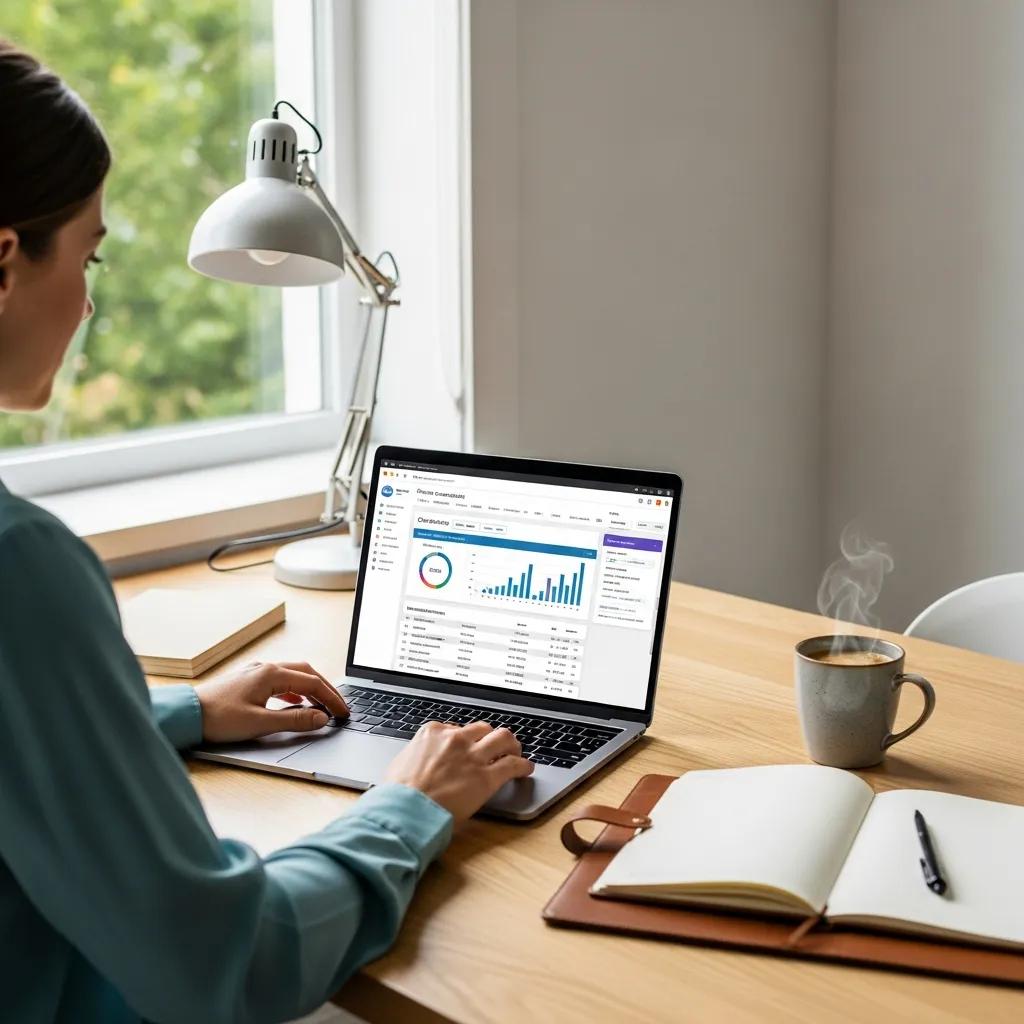
Cloud accounting solutions provide several advantages for property financial management:
- Real-Time Financial Data Access: Users can access financial information from anywhere, facilitating timely decision-making.
- Automated Bookkeeping: Reduces the need for manual data entry, minimizing errors.
- Cost Savings: Often more affordable than traditional accounting solutions, especially for small to mid-sized property managers.
Collectively, these advantages make cloud-based accounting a practical choice for contemporary property management operations.
What Are Common Implementation Challenges and How to Overcome Them?
Deploying new accounting systems presents common challenges. Typical issues include:
- Data Integration: Ensuring that existing data is accurately transferred to the new system can be complex.
- Skills and Training: Staff may require training to effectively use new software.
- Measuring Success: Establishing metrics to evaluate the effectiveness of the new system can be difficult.
Proactive mitigation of these issues facilitates a smoother implementation process and reduces disruption.
Where Can Landlords and Property Managers Find Support and Resources for Accounting Software?
Landlords and property managers can obtain support and resources for accounting software from:
- Professional Services: Consulting firms can provide guidance on software selection and implementation.
- Software Options: Many software providers offer customer support and training resources.
- Consultation Services: Engaging with financial consultants can help optimize accounting practices.
Leveraging these resources improves the effectiveness of property management accounting and implementation outcomes.
What FAQs and Troubleshooting Guides Are Available for Property Accounting Systems?
Property accounting platforms typically include FAQs and troubleshooting documentation to assist users. Common topics include:
- Common User Questions: Addressing frequent inquiries about software functionality and features.
- Support Resources: Providing access to customer service and technical support.
- Troubleshooting Guides: Offering step-by-step solutions for common issues.
Such documentation is essential for maintaining system operation and ensuring user satisfaction.
How Do User Testimonials and Case Studies Demonstrate Software Effectiveness?
Testimonials and case studies illustrate the effectiveness of property management accounting software. Key points include:
- Tangible Outcomes: Users often report improved efficiency and accuracy in financial management.
- Client Success Stories: Case studies highlight how specific software solutions have transformed property management practices.
- Operational Efficiency Improvements: Testimonials frequently mention time savings and reduced administrative burdens.
These examples assist prospective purchasers in assessing the potential benefits of different software solutions.
To further develop your property management strategies, consult resources such as "property management" solutions for additional insights and operational tools.
When evaluating property management accounting software, it is essential to consider solutions such as AppFolio, recognized for its user-friendly interface and comprehensive feature set.
For larger property management firms, Yardi provides robust financial reporting capabilities and is designed to address complex financial requirements.
Another leading option is Buildium, which delivers a full property management solution including tenant screening, lease tracking, and financial reporting.
Additionally, Entrata is noted for its intuitive interface and mobile access, supporting a range of property management needs.
Want this handled for you?
Schedule a Call