Table of Contents
- Complete Guide to real estate bookkeeping services for Property Managers
- What Are the Leading Property Management Accounting Tools for Bookkeeping?
- How Do AppFolio, Yardi, Buildium, and Entrata Streamline Bookkeeping?
- What Are the Key Benefits of Integrated Accounting Software for Property Managers?
- How Do Bookkeeping Services Support Landlords in Managing Rental Properties?
- What Are Essential Bookkeeping Practices for Landlords?
- How Do Bookkeeping Services Ensure Compliance with Real Estate Financial Regulations?
- What Are the Best Practices for Real Estate Financial Reporting and Analysis?
- Which Financial Statements Are Critical for Property Management?
- How Can Property Managers Use Financial Reports for Informed Decision-Making?
- What Are Cost-Effective Bookkeeping Solutions for Property Managers?
- How Do Affordable Software Options Compare in Features and Pricing?
- What Strategies Help Reduce Bookkeeping Costs Without Sacrificing Accuracy?
- How Is Automation Transforming Property Management Bookkeeping?
- What Role Does AI Play in Bookkeeping Automation for Real Estate?
- How Do Automated Workflows Improve Efficiency and Accuracy?

Complete Guide to real estate bookkeeping services for Property Managers
Effective bookkeeping is essential for property managers to maintain financial health and ensure regulatory compliance. This guide examines real estate bookkeeping services, the tools and practices that streamline operations, and the benefits of specialized bookkeeping. Property managers commonly encounter challenges related to multiple property portfolios, expense tracking, and accurate financial reporting. Utilizing dedicated bookkeeping services improves operational efficiency and allows managers to concentrate on core business activities. The article reviews leading property management accounting tools, the advantages of integrated accounting software, essential bookkeeping practices, and the impact of automation on the industry.
What Are the Leading Property Management Accounting Tools for Bookkeeping?
Property management accounting tools are engineered to simplify financial administration for property managers. They support income and expense tracking, tenant records, and ledger maintenance to preserve accurate financial statements. Some leading software options include:
- AppFolio: Offers comprehensive property management features, including online rent collection and maintenance tracking.
- Yardi: Known for its robust accounting capabilities and scalability, suitable for both small and large property management firms.
- Buildium: Provides an intuitive interface for managing properties, tenants, and financials, making it ideal for new property managers.
- Entrata: Combines property management and accounting features, allowing for seamless integration of financial data.
These platforms streamline bookkeeping workflows and contribute to improved operational efficiency.
How Do AppFolio, Yardi, Buildium, and Entrata Streamline Bookkeeping?
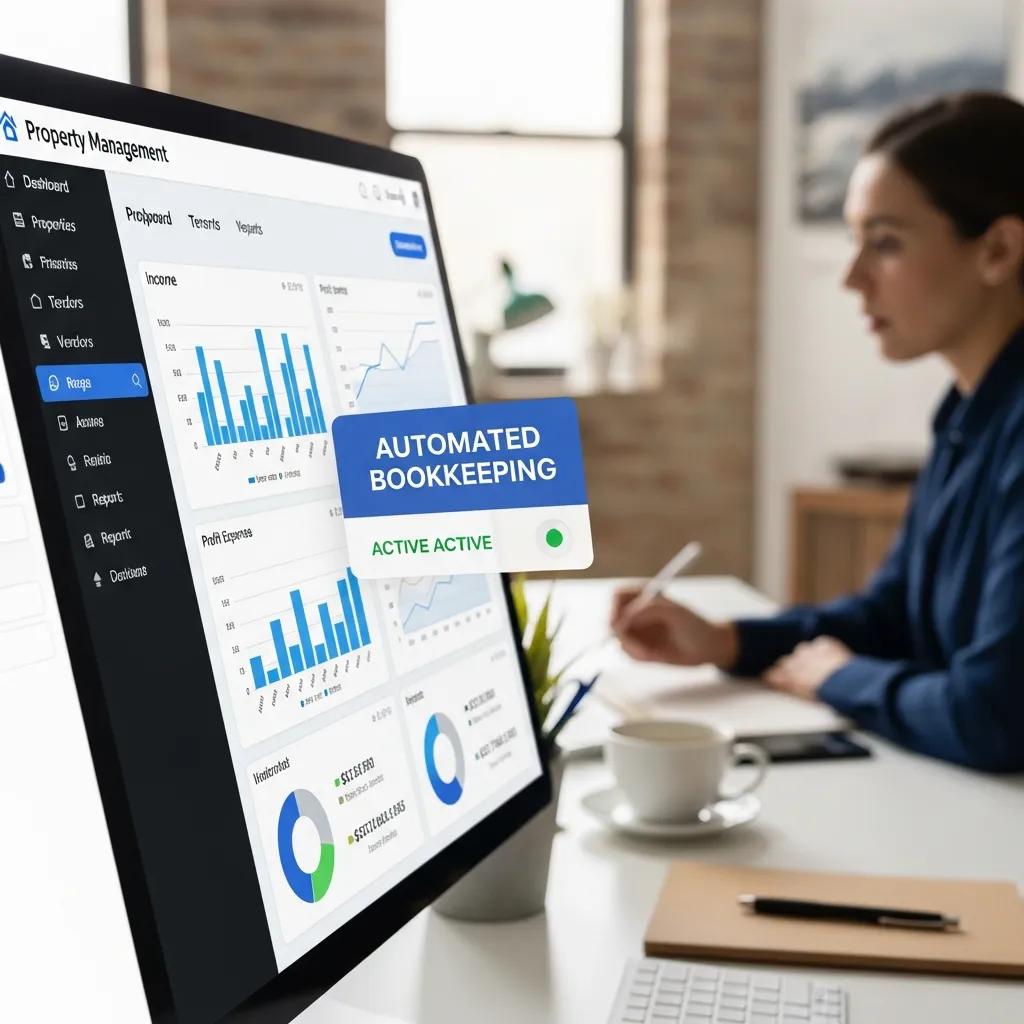
AppFolio, Yardi, Buildium, and Entrata provide distinct functionalities that strengthen bookkeeping controls and reporting.
- AppFolio automates rent collection and provides real-time financial reporting, which helps property managers stay on top of their finances.
- Yardi integrates accounting with property management, allowing for comprehensive financial oversight and reporting capabilities.
- Buildium simplifies tenant management and financial tracking, making it easier for property managers to maintain accurate records.
- Entrata offers a user-friendly platform that combines property management and accounting, ensuring that all financial data is easily accessible.
These software solutions reduce processing time and lower the incidence of errors in financial reporting.
What Are the Key Benefits of Integrated Accounting Software for Property Managers?
Integrated accounting software delivers measurable advantages for property managers.
- Improved Accuracy: By automating data entry and calculations, integrated software minimizes human error, ensuring that financial records are accurate.
- Time Savings: Automation of routine tasks such as invoicing and reporting allows property managers to focus on more strategic activities.
- Enhanced Compliance: Integrated systems often include features that help ensure compliance with financial regulations, reducing the risk of penalties.
Consequently, integrated accounting software represents a prudent investment for property management firms.
How Do Bookkeeping Services Support Landlords in Managing Rental Properties?
Bookkeeping services provide landlords with accurate records and actionable financial insights.
- Accurate Recordkeeping: Professional bookkeeping ensures that all financial transactions are recorded accurately, which is essential for tax preparation and financial analysis.
- Efficient Rent Collection: Bookkeeping services can streamline the rent collection process, making it easier for landlords to manage cash flow.
- Financial Compliance: Experienced bookkeepers are familiar with real estate financial regulations, helping landlords stay compliant and avoid legal issues.
Engaging professional bookkeeping enables landlords to prioritize property operations while maintaining orderly financial records.
What Are Essential Bookkeeping Practices for Landlords?

Landlords should implement core bookkeeping practices to preserve financial integrity:
- Document Maintenance: Keep all financial documents organized and accessible for easy reference and audits.
- Account Separation: Maintain separate accounts for personal and business finances to simplify tracking and reporting.
- Regular Reconciliation: Regularly reconcile bank statements with financial records to identify discrepancies and ensure accuracy.
Adoption of these practices materially improves financial management and audit readiness.
How Do Bookkeeping Services Ensure Compliance with Real Estate Financial Regulations?
Bookkeeping services contribute to regulatory compliance through established processes and tools:
- Reporting Capabilities: Professional bookkeepers prepare necessary financial reports that comply with regulatory standards.
- Industry Expertise: Experienced bookkeepers understand the nuances of real estate regulations, ensuring that all financial practices adhere to legal requirements.
- Use of Technology: Many bookkeeping services utilize advanced software that automatically updates compliance requirements, reducing the risk of errors.
This compliance support mitigates regulatory risk for property managers and landlords.
What Are the Best Practices for Real Estate Financial Reporting and Analysis?
Effective financial reporting and analysis are foundational to successful property management. Best practices include:
- Timely Reporting: Generate financial reports regularly to keep stakeholders informed and facilitate decision-making.
- Regular Reconciliation: Ensure that financial records are reconciled with bank statements to maintain accuracy.
- Budgeting and Planning: Develop budgets based on historical data and market trends to guide financial decisions.
These practices provide accurate data to support informed managerial decisions.
Which Financial Statements Are Critical for Property Management?
Several financial statements are essential for effective property management:
- Income Statements: Provide a summary of revenues and expenses, helping managers assess profitability.
- Balance Sheets: Offer a snapshot of assets, liabilities, and equity, essential for understanding financial health.
- Cash Flow Statements: Track cash inflows and outflows, crucial for managing liquidity and operational expenses.
Familiarity with these statements is essential for comprehensive financial oversight.
How Can Property Managers Use Financial Reports for Informed Decision-Making?
Financial reports supply actionable insights that support operational and investment decisions.
- Identifying Trends: Analyzing financial reports helps managers identify trends in income and expenses, allowing for proactive adjustments.
- Cash Flow Management: Understanding cash flow patterns enables property managers to make strategic decisions regarding investments and expenditures.
- Performance Assessment: Regularly reviewing financial reports allows managers to assess the performance of properties and make necessary improvements.
Utilizing these reports supports refinement of operational strategy.
What Are Cost-Effective Bookkeeping Solutions for Property Managers?
Cost-effective bookkeeping solutions enable property managers to optimise financial management. Options include:
- Outsourced Services: Hiring external bookkeeping services can reduce overhead costs while providing professional expertise.
- Software Options: Utilizing affordable property management software can streamline bookkeeping processes without significant investment.
- Automated Tools: Implementing automated tools for invoicing and reporting can save time and reduce errors.
These approaches preserve accounting accuracy while controlling expenditures.
How Do Affordable Software Options Compare in Features and Pricing?
When comparing affordable software options, property managers should consider features and pricing.
- Pricing Models: Many software options offer tiered pricing based on the number of units managed, making it easier for property managers to choose a plan that fits their budget.
- Feature Comparisons: Evaluate features such as tenant management, financial reporting, and customer support to determine the best fit for specific needs.
- User Suitability: Consider the user interface and ease of use, as these factors can significantly impact the efficiency of property management tasks.
Careful comparison enables selection of software that satisfies operational requirements within budget.
What Strategies Help Reduce Bookkeeping Costs Without Sacrificing Accuracy?
Reducing bookkeeping costs while maintaining accuracy is achievable through several strategies:
- Utilizing Automated Tools: Implementing automation for routine tasks can significantly reduce labor costs and minimize errors.
- Regular Reviews: Conducting regular reviews of financial processes can identify inefficiencies and areas for cost savings.
- Clear Documentation: Maintaining clear and organized documentation can streamline bookkeeping processes and reduce the time spent on audits.
These measures enable efficient and accurate bookkeeping operations.
How Is Automation Transforming Property Management Bookkeeping?
Automation is transforming property management bookkeeping by improving process efficiency and data accuracy.
- Reduction of Manual Tasks: Automation reduces the need for manual data entry, minimizing the risk of human error.
- Improved Accuracy: Automated systems ensure that calculations and data entries are consistent, leading to more reliable financial records.
- Cost Efficiencies: By automating routine tasks, property managers can save time and reduce labor costs, allowing them to focus on strategic initiatives.
Integration of automation is integral to contemporary property management accounting.
What Role Does AI Play in Bookkeeping Automation for Real Estate?
Artificial intelligence (AI) contributes to enhanced bookkeeping automation within the real estate sector.
- Automation of Routine Tasks: AI can automate repetitive tasks such as data entry and invoice processing, freeing up time for property managers.
- Data Analysis Improvements: AI algorithms can analyze financial data to identify trends and anomalies, providing valuable insights for decision-making.
- Compliance Support: AI can help ensure compliance with financial regulations by automatically updating systems with the latest requirements.
Incorporation of AI reshapes the management of financial operations for property managers.
How Do Automated Workflows Improve Efficiency and Accuracy?
Automated workflows improve operational efficiency and data integrity in property management bookkeeping.
- Reduction of Repetitive Tasks: Automation eliminates the need for repetitive manual tasks, allowing staff to focus on higher-value activities.
- Minimization of Errors: Automated systems reduce the likelihood of errors in data entry and calculations, ensuring more reliable financial records.
- Enhanced Compliance: Automated workflows can be designed to include compliance checks, ensuring that all financial practices adhere to regulations.
Deployment of automated workflows yields measurable gains in efficiency and accuracy for bookkeeping processes.
For additional guidance on property management strategies, consult the resources on property management.
For further information, visit their website.
Want this handled for you?
Schedule a Call