Table of Contents
- Understanding the Importance of Bookkeeping in Property Management
- How Bookkeeping Supports Growth in Property Management
- The Impact of Accurate Financial Records on Decision-Making
- Common Bookkeeping Challenges in Property Management
- Essential Bookkeeping Practices for Scaling Property Management
- Set Up a Dedicated Bank Account for Property Management
- Create a Comprehensive Chart of Accounts
- Choose an Accounting Method That Fits Your Business Model
- Implement Efficient Invoice and Receipt Management
- Automating Bookkeeping Processes for Efficiency
- Selecting the Right Property Management Software
- Benefits of Automating Financial Reports
- Streamlining Rent Collection With Technology
- Maintaining Financial Compliance in Property Management
- Understanding Local Regulations for Bookkeeping
- Importance of Trust Accounting in Property Management
- Best Practices for Ensuring Compliance
- Optimizing Cash Flow With Smart Bookkeeping
- Monitoring Accounts Receivable and Payable
- Techniques for Effective Expense Tracking
- Setting Up a Contingency Fund
- Evaluating Bookkeeping Performance and Making Adjustments
- Regularly Reviewing Financial Statements
- Identifying Trends and Areas for Improvement
- Seeking Professional Assistance When Necessary
- Frequently Asked Questions About Property Management Bookkeeping
- What Role Does Bookkeeping Play in Scaling Property Management?
- How Often Should Bookkeeping Records Be Updated?
- What Are the Best Software Options for Property Management Bookkeeping?
- How Can Property Managers Avoid Common Bookkeeping Errors?
- What Strategies Can Help Manage Unexpected Expenses?
- Build Your Financial Foundation, Start with a Quick Conversation
Scaling Property Management With Effective Bookkeeping Practices
Is your property management bookkeeping holding back your growth? In this guide, we share proven strategies to help you scale property management through smart bookkeeping practices and operations with financial clarity. From automation techniques to cash flow optimization and compliance, these insights come directly from decades of experience supporting real estate professionals nationwide.
Understanding the Importance of Bookkeeping in Property Management

Effective bookkeeping ensures reliable growth in property management by providing clear financial data. Accurate records support informed decision-making and simplify tasks such as advertising, accrual, invoice processing, forecasting, and loan management. This section covers how bookkeeping drives expansion, impacts financial decisions, and addresses challenges in the property management sector.
How Bookkeeping Supports Growth in Property Management
Accurate bookkeeping records vital data that assists property managers in making informed financial decisions and mitigating risks associated with fraud. By maintaining transparent financial accounting practices, property managers can monitor cash flow effectively and establish trust with investors and partners.
Precise entries in financial statements contribute to the integrity of resources and highlight eligible tax deduction opportunities. Comprehensive bookkeeping ensures that every transaction is recorded accurately, reducing errors and providing a clear picture of financial performance.
Property managers benefit from systematic bookkeeping by accessing consistent financial statements that support strategic planning and ongoing growth. This routine financial accounting practice aids in detecting unusual activities early, ultimately minimizing potential fraud and enhancing overall operational efficiency.
The Impact of Accurate Financial Records on Decision-Making
Accurate financial records provide property managers with the knowledge needed to assess and optimize their investment strategies, ensuring that each property contributes effectively to financial stability. This precise documentation offers a clear view of income and expenses, which supports well-informed decisions that steer the growth of the business.
Maintaining exact financial records also supports decision-making when evaluating the potential impacts of capital gains tax on future profits. This practice empowers property managers to refine budgeting and planning processes, ensuring that all financial moves, including investments, are made with clarity.
Reliable bookkeeping demonstrates its utility by offering real-time data that can avert financial pitfalls and promote sustained business growth. Clear records build trust among stakeholders while providing a concrete foundation for financial strategies that secure long-term stability.
Common Bookkeeping Challenges in Property Management
Timely escrow reconciliation and unclear transaction recording are persistent challenges in property management. Without consistent bookkeeping practices, errors creep in, affecting tax filings and financial accuracy. Our team resolves these issues by standardizing workflows, managing multi-entity complexity, and keeping every ledger clean, complete, and audit-ready.
Maintaining an up-to-date ledger can be difficult when multiple vehicles and properties are involved, resulting in complex financial transactions. Inaccurate data entry or oversight often leads to rework and auditing issues that burden property managers. Addressing these challenges efficiently supports a more streamlined approach to managing income tax documentation.
Property management teams struggle with coordinating the timing of financial transactions across various accounts, especially when coordinating payments to escrow accounts. These challenges can result in delayed reconciliations that disrupt accurate income tax reporting. Establishing thorough bookkeeping practices encourages consistency and ensures that every transaction, whether large or small, is recorded in the ledger precisely.
Bookkeeping lays a solid foundation. Next come the clear steps that build your property management success.
Essential Bookkeeping Practices for Scaling Property Management
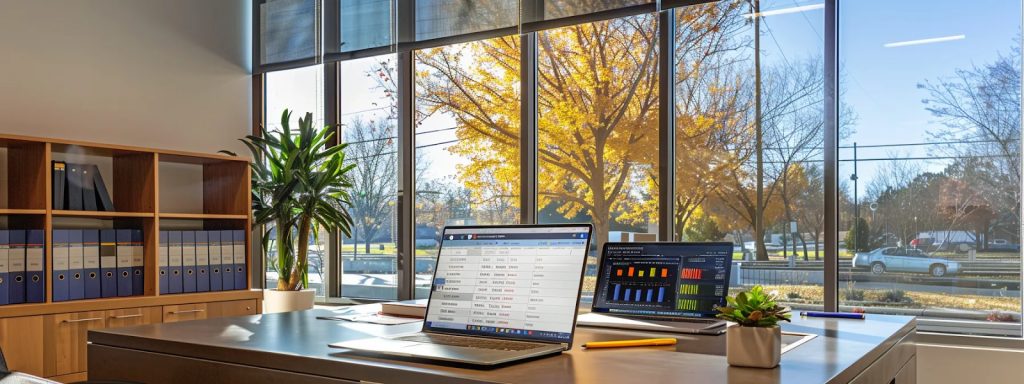
Proper bookkeeping supports a robust portfolio and strengthens cash flow. Establishing a dedicated bank account for property management, developing a comprehensive chart of accounts, using a business-suited accounting method, and handling invoices and receipts efficiently offers practical insights for real estate investing. Automation plays a key role in managing each asset accurately.
Set Up a Dedicated Bank Account for Property Management
Maintaining a dedicated bank account for property management simplifies the process of documenting property income and expenses. This setup ensures that the cash flow statement remains clear and precise, supporting efficient workflow and stronger financial transparency. It also aids in generating accurate bank statements that reflect each transaction accurately when reviewing receipts and managing refinancing activities.
Separating personal and structure-specific funds plays a crucial role in building a reliable financial record. A dedicated account minimizes confusion by ensuring that each receipt and bank statement detail corresponds directly to property-related transactions. This practice enables managers to streamline workflow while preparing for potential refinancing opportunities with concrete financial data.
Using a separate bank account enhances overall management speed and reduces errors in financial tracking. Property managers can quickly reconcile their payments against investment inflows, refining the cash flow statement for budgeting and planning. This dedicated approach fosters trusted financial reporting, ensuring the account activity supports decision-making for strategic refinancing and investment improvements.
Create a Comprehensive Chart of Accounts
A comprehensive chart of accounts serves as the backbone of effective management by organizing financial transactions in a structured manner. This structured chart ensures that every transaction, including debits and credits, is classified accurately, simplifying the review of accounts receivable and other financial metrics.
In property management, employing a clear chart of accounts facilitates better tracking of income and expenses, which assists managers in making informed decisions. The chart allows for the consistent recording of debits and credits, supporting a seamless reconciliation process and providing a complete financial overview.
Expert property managers recognize that a well-designed chart of accounts aids in pinpointing financial trends and identifying discrepancies early. By segmenting accounts receivable clearly, the chart enhances the transparency of transactions and strengthens overall management practices across the portfolio.
Choose an Accounting Method That Fits Your Business Model
Property managers should choose an accounting method that works well with rental property accounting systems. This approach establishes a clear audit trail, ensuring every transaction from the accounting period is well-documented and easily traceable with reliable software.
The selected system must support effective maintenance of financial records during routine operations. A compatible method assists managers in tracking expenses and revenues, which simplifies regular inspections of invoices and other financial data throughout each accounting period.
Expert property accountants recommend a method that integrates seamlessly with specialized software. This ensures that rental property accounting tasks, including the generation of audit trails and the management of maintenance expenses, are handled accurately and efficiently.
Implement Efficient Invoice and Receipt Management
Efficient invoice and receipt management is fundamental to accurate property bookkeeping. We use platforms like AppFolio and Buildium to ensure each transaction, from maintenance invoices to management fees, is properly coded and reconciled. This reduces audit risks and ensures year-end reporting runs smoothly.
Property management operations benefit when invoices are processed promptly and receipts are organized correctly. Skilled bookkeepers verify that each expense entry aligns with actual transactions, thus reinforcing clear audit trails. This careful approach helps property managers avoid confusion during tax season and internal reviews.
Clear management of invoices and receipts minimizes errors that could affect both financial planning and operational efficiency. Service providers, including experienced bookkeepers and a knowledgeable tax advisor, work together to ensure every recorded item proves reliable. This system encourages swift resolution of discrepancies while supporting a strong financial foundation for property management.
Solid routines keep the numbers straight. Next, using smart systems cuts the work and speeds up every step.
Automating Bookkeeping Processes for Efficiency

The section covers selecting the right property management software, automating financial reports, and streamlining rent collection with technology. It highlights proven practices like integrating a spreadsheet for fixed asset tracking, managing insurance data, and outsourcing tasks to sharpen the balance sheet, ensuring property managers gain reliable insights for efficient operations.
Selecting the Right Property Management Software
Choosing the right property management software is critical to streamlining financial operations. We work within platforms like Yardi and AppFolio, maximizing automation, improving capital tracking, and aligning each system with your portfolio's goals.
Software with sophisticated integration capabilities ensures that property management accounting processes relevant to rental collections, tax filings, and expense categorization are automated seamlessly. Systems that offer granular tracking of deductible transactions support clear reporting and budget accuracy, which in turn influences successful capital allocation. This detailed record-keeping drives improved return on investment and enhances overall profit outcomes.
Using robust property management accounting software equips property managers with a tool that simplifies ledger management and optimizes cash flow. Integrated features that compute deductible amounts accurately help in preserving capital and ensuring that every financial move contributes positively to profit margins. This practical solution promotes a structured and efficient process that benefits long-term return on investment and fosters reliable growth.
Benefits of Automating Financial Reports
Automating financial reports using tools like Xero improves property accounting by providing real-time data that benefits decision-making for property ownership. This approach enhances accuracy by integrating various income sources such as credit card transactions into the property ledger efficiently.
Property managers who utilize automated reporting can monitor cash flow and verify that every transaction, including credit card payments and other revenue streams, aligns with their property accounting system. This streamlined process reduces manual errors and saves time, allowing managers to focus on expanding their portfolio ownership.
Leveraging automated financial reports can empower property managers to make informed choices when adjusting budgets or planning investments in properties. The method ensures continuous oversight of property accounting details, supporting a robust overview of credit card transactions and other financial parameters using Xero.
Streamlining Rent Collection With Technology
Utilizing advanced technology simplifies rent collection by integrating systems that update management accounting records instantly. This process ensures that deposits are automatically allocated to the correct deposit account, which supports clear financial reports and improves tracking of mortgage payments and equity contributions. Property management professionals benefit from streamlined processes and enhanced accuracy in recording payments.
Modern rent collection solutions provide a central platform where payments are processed and reflected in management accounting systems without delay. Automated systems verify deposits, maintain accurate mortgage-related data, and ensure equity accruals are promptly recorded in financial reports. These tools assist property managers in maintaining precise records and reducing manual errors.
Technology-enabled rent collection solutions offer efficiency by automatically reconciling each payment with the corresponding deposit account. The system integrates data into management accounting software, enhancing transparency around mortgage allocations and equity build-ups visible in financial reports. Property management professionals experience smoother workflows, addressed directly through reliable automation practices.
The streamlined system freed valuable time for sharp oversight. The next step is fortifying financial controls in property management.
Maintaining Financial Compliance in Property Management
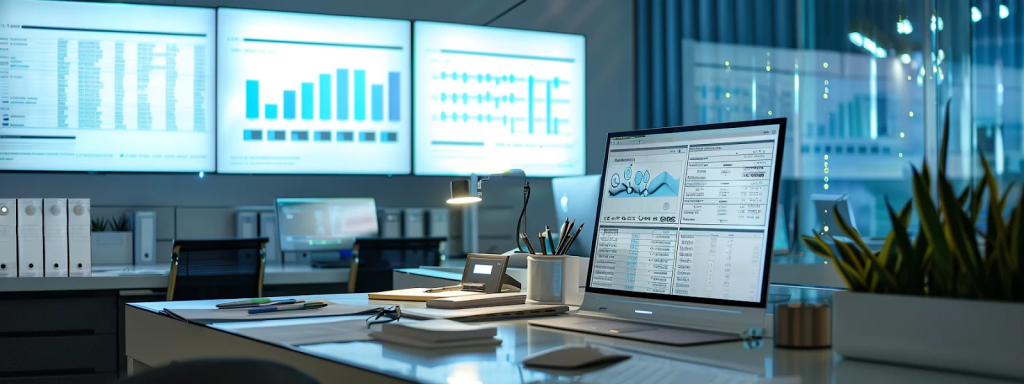
Understanding local regulations is vital for every property management bookkeeper. Trust accounting and accurate property tax management, along with clear financial statement practices, ensure retained earnings are maintained and landlords meet compliance. This section presents best practices while covering local regulations, trust accounting protocols, and compliance strategies.
Understanding Local Regulations for Bookkeeping
Understanding local regulations for bookkeeping requires careful adherence to the law to maintain both trust and operational accuracy in property management. Accurate recordkeeping not only improves productivity but also ensures that every financial transaction is compliant with state and local guidelines, supporting reliable gross rent multiplier calculations.
Property management professionals must stay informed about regulatory updates that influence bookkeeping practices. This commitment to aligning with the law bolsters trust in financial reporting and enhances customer service by providing clear, compliant documentation that aids in managing investments effectively.
Adhering to local bookkeeping regulations fosters an environment of transparency and boosts productivity across property management workflows. By implementing best practices that meet legal standards and accurately reflect factors like the gross rent multiplier, managers support a system that reinforces customer service and builds lasting trust with investors and partners.
Importance of Trust Accounting in Property Management
Trust accounting plays a crucial role in ensuring regulatory compliance and maintaining data security for property management businesses. It provides a clear strategy for handling tenant funds and protects customer interests by establishing precise records that align with local legal requirements.
Implementing trust accounting methods using a reliable app supports operational transparency and minimizes risk exposure. This approach reassures customers and stakeholders by confirming that every transaction meets the standards of regulatory compliance and data security protocols.
Effective trust accounting builds a secure foundation that enhances financial practices and meets the demands of modern property management. Property management firms benefit from a trusted strategy that not only simplifies audits but also fosters customer confidence through rigorous adherence to regulatory compliance and data security measures.
Best Practices for Ensuring Compliance
Staying compliant requires more than just clean records, it demands consistency, local expertise, and clear policies. We maintain up-to-date lease compliance protocols, trust accounting workflows, and reconciliation reviews to ensure every transaction stands up to scrutiny.
Experienced professionals recommend enforcing a clear compliance policy that outlines detailed steps for processing payments and managing financial data. This approach mitigates risk and reinforces efficiency in financial operations while ensuring that each aspect of finance meets industry standards.
Industry experts stress that a disciplined commitment to compliance builds trust among stakeholders and minimizes potential risk in daily finance tasks. Consistently implemented procedures in processing payments and addressing policy gaps enhance efficiency and promote reliable financial practices in property management.
Reliable records build trust. The next stage fixes practices to keep the cash flowing.
Optimizing Cash Flow With Smart Bookkeeping

Property managers can benefit from understanding cash flow by monitoring accounts payable and receivable, tracking operating expense accurately, and setting up a dedicated bank account to manage debt efficiently. This section outlines effective techniques for expense tracking and creating a contingency fund to support sustainable growth throughout property management operations.
Monitoring Accounts Receivable and Payable
Property management professionals understand that effective monitoring of accounts receivable and payable is a vital expense management strategy for improving cash flow health. Maintaining up-to-date records ensures that every transaction is verified accurately, offering a reliable tool for the company to manage income and expenditures efficiently.
This practice supports property management by offering a transparent view of financial inflows and outflows, which helps streamline budget controls and safeguard financial health. With clear tracking, property managers can identify any discrepancies that may affect the company's expense management system.
Experts recommend using modern tools to monitor accounts receivable and payable regularly, ensuring that delayed payments do not disrupt overall operations. This strategy guarantees consistent financial health and positions the company to address any issues immediately, thereby supporting sustained growth in property management.
Techniques for Effective Expense Tracking
Property management professionals use accounting software to track expense entries efficiently, ensuring every revenue detail is recorded promptly. A mobile app can simplify the documentation of amortization schedules and help reconcile payments with security deposit records. This strategy provides clear insights that support strategic cash flow improvements.
Managers benefit from using digital tools that integrate expense tracking with real-time revenue monitoring. By leveraging an accounting software platform, property managers can verify that each payment, whether related to rent or maintenance, aligns with accurate amortization data. This integrated approach reduces manual errors and improves operational transparency.
Implementing a mobile app for financial management enables property managers to capture and update expense information on the go. The technology ensures that every revenue transaction, invoice, and security deposit entry is timely and accurate. This technique offers actionable data that enhances decision-making, ensuring a strong financial foundation for scaling property management operations.
Setting Up a Contingency Fund
Establishing a contingency fund is essential for financial resilience. We help property teams structure reserve accounts with proper tracking, enabling quick response to capital needs, emergency repairs, or unplanned vendor expenses, without disrupting daily operations.
Property managers can design a contingency fund that accentuates clear financial oversight and swift response to emergencies. Utilizing reliable accounting software simplifies the process and underpins transparency in every transaction. Such preparation helps maintain steady credit standards and validates invoice processing records essential for long-term success.
Creating a contingency fund enables property management teams to bolster their financial stability and scale operations confidently. Effective use of accounting tools, including appfolio bookkeeping systems, provides clear insights and ensures ongoing transparency. This well-planned approach manages credit effectively and streamlines invoice processing to support robust financial planning.
Cash flow thrives in steady hands and clear sight. Next, the ledger's pulse is measured and refined to ensure every move brings growth.
Evaluating Bookkeeping Performance and Making Adjustments

Regular reviews of financial statements support effective management, revealing trends and highlighting areas for improvement in property income and bank accounts. The process, which can include insights from appfolio property management systems, emphasizes usability and keen interest in accurate data. Professionals recommend assessing performance routinely and seeking expert assistance when necessary for sound financial decisions.
Regularly Reviewing Financial Statements
Property management firms benefit from a routine review of financial statements to pinpoint areas where tax issues or payroll discrepancies might affect operations. Regular auditing helps lower the complexity of bookkeeping tasks while leveraging technology to maintain accurate records.
Experienced property managers use financial statement reviews to validate cash flow forecasting models and identify unexpected challenges. This practice ensures that payroll, tax, and technology systems integrate seamlessly, thereby minimizing errors in complex financial data.
By regularly assessing financial performance, these managers can detect trends that may signal potential risks or opportunities for growth. Consistent evaluations strengthen decision-making processes and provide actionable insights into tax obligations, payroll management, and the use of technology to improve cash flow forecasting.
Identifying Trends and Areas for Improvement
Property managers can identify trends by reviewing changes in the net income reported in the general ledger, ensuring that each adjustment reflects operational improvements. Data from systems like RealPage helps managers pinpoint when missing late fee entries affect overall income, which is vital for maintaining an optimal financial structure. This process supports a community-based approach to scaling operations with clear and actionable insights.
Consistent evaluation of financial records enables professionals to recognize patterns that may signal recurring discrepancies in property income or delayed collections, including late fee issues. By analyzing entries in the general ledger and cross-referencing with RealPage data, managers can quickly identify problem areas and take corrective action. These measures help stabilize net income while ensuring transparent financial practices.
In practice, property managers use historical data to detect underperformance in income streams and adjust strategies accordingly. Reviewing entries in the general ledger, such as late fee tracking and net income variations, provides valuable insights into operational challenges impacting the community. This detailed evaluation process supports informed decision-making and positions the business for stronger financial performance.
Seeking Professional Assistance When Necessary
Property accounting grows more complex as portfolios scale. We offer dedicated property accountants who understand industry-specific workflows, from handling overhead allocations to reconciling fees across multiple entities, so your team can stay focused on growth.
By consulting with a seasoned accounting professional, property managers can better interpret financial data and gain actionable insights into their expense reporting. This guidance assists in identifying unnecessary fees and mitigating potential liability while enhancing the overall efficiency of the bookkeeping process.
Seeking expert assistance also strengthens the routine review of financial performance by clarifying the dashboard metrics and supporting decision-making. This approach ensures that critical elements like overhead tracking and fee management are handled with precision, ultimately leading to more stable operations and improved growth prospects for property management portfolios.
Adjusting strategies beats idle waiting. The next section answers common questions that keep the mission moving forward.
Frequently Asked Questions About Property Management Bookkeeping

Property management accounting experts stress that effective bookkeeping drives scaling in real estate by clearly documenting financial details according to generally accepted accounting principles. This section covers update frequency, the best software options at varied price points, strategies to avoid common errors, and managing unexpected expenses, offering expert insights to support informed decision-making and overall financial clarity.
What Role Does Bookkeeping Play in Scaling Property Management?
Property management bookkeeping plays a central role in scaling operations by providing clear financial data that attracts attention from investors and stakeholders. It ensures every financial transaction, whether through a debit card purchase or a direct deposit, is accurately documented to support reliable business growth. This level of detail also simplifies the process of completing a form 1040, making tax preparation more efficient.
Reliable property management bookkeeping offers clear insights into cash flow management, which is crucial when scaling a portfolio. Professionals depend on these records to identify trends in money movement and to address discrepancies promptly, ensuring that investment decisions are data-driven. This professional approach helps maintain trust and reduces the risk of financial errors impacting larger growth strategies.
Effective bookkeeping allows property managers to assess financial performance accurately and make strategic decisions that enhance operational efficiency. By scrutinizing every debit card transaction and money transfer, managers can focus attention on revenue-generating activities while ensuring compliance with regulatory requirements such as form 1040 filings. The result is a robust financial framework that supports long-term scalability and improved financial oversight.
How Often Should Bookkeeping Records Be Updated?
Property management professionals update bookkeeping records frequently to maintain an accurate accounting system. Regular updates help track the number of transactions, monitor cash flow, and record depreciation for rental properties with clarity.
Maintaining a current accounting system is crucial for managing renting operations and for ensuring that cash flows and expenses are recorded as they occur. Timely updates provide valuable data that support more effective decision-making and better financial planning.
Experts suggest reviewing records at least monthly, as this helps capture changes in cash movement, updates on depreciation, and details on the number of transactions involving renting activities. Frequent updates help property managers avoid errors and maintain transparency in their financial operations.
What Are the Best Software Options for Property Management Bookkeeping?
Property management professionals favor software that integrates real estate accounting features with precise adherence to the matching principle, ensuring every expense is accurately recorded against revenue. Comprehensive systems make it possible to track transactions down to each dollar, supporting detailed financial statements that verify taxable income for accounting property management purposes.
Advanced platforms are designed to meet the demands of the property management sector by simplifying real estate accounting procedures and offering automated reconciliation functions. These tools streamline the process of matching expenses with revenue, thereby reducing errors and ensuring that each dollar flows into the correct account, which ultimately protects taxable income while supporting internal audits.
Expert users recommend investing in solutions that align with industry standards, offering robust support for accounting property management and real estate accounting functions. This approach provides practical insights and actionable data, ensuring that financial processes support the matching principle and help maintain accurate records over time for precise taxable income reporting.
How Can Property Managers Avoid Common Bookkeeping Errors?
The experience of seasoned property managers shows that regular reviews of bookkeeping records help avoid errors that could disrupt the overall budget and increase cost implications. Consistent monitoring ensures that every expense fits the planned budget, serving as a safeguard against inaccuracies during periodic audits.
Maintaining clear and detailed bookkeeping records allows managers to catch discrepancies early and adjust their budget to control cost overruns. This proactive approach, refined through extensive experience, minimizes challenges during audits and supports accurate financial planning for property management operations.
Utilizing automated tools and specialized software enhances bookkeeping precision and ensures that every transaction aligns with the set budget. Managers with real experience in property management use these methods to reduce cost impacts, lower risks of errors, and ensure a smooth audit process.
What Strategies Can Help Manage Unexpected Expenses?
Property managers can utilize a proactive option by maintaining a rolling reserve fund to cover unexpected expenses. This strategy ensures that there is available capital when vendor bills or emergency repairs arise, while property management software aids in monitoring and making timely adjustments. Clear reconciliation of accounts provides additional information to support swift decision-making during financial challenges.
Engaging with multiple vendors provides an extra layer of support for managing surprise costs. By establishing clear communication lines and collecting detailed information on service charges, property managers can simplify their reconciliation process. Using property management software enhances financial organization, enabling managers to compare different options effectively.
Reliable property management software plays a critical role in streamlining the resolution of unforeseen expenses. It helps monitor transactions, store valuable information, and support accurate reconciliation of accounts. With evidence-based strategies, managers can select the best option to address vendor issues swiftly and maintain a secure financial structure.
Build Your Financial Foundation, Start with a Quick Conversation
Scalable bookkeeping isn't just a back-office task, it's the foundation for confident growth in property management. From compliance and lease tracking to cash flow clarity, our team helps you get control of the numbers so you can focus on the bigger picture. If you're ready to simplify your financial operations and scale with confidence, complete our form to connect with a dedicated property accountant.
Want this handled for you?
Schedule a Call